
The process of creating a robust business analysis proposal is often the crucial first step in securing funding, gaining buy-in from stakeholders, and ultimately, delivering successful projects. A well-crafted proposal isn't just a document; it's a strategic communication tool that clearly articulates the problem, proposes a solution, and demonstrates the value you'll bring to the client. This article will delve into the essential components of a compelling business analysis proposal template, providing a comprehensive guide to creating a document that resonates with your audience and drives positive outcomes. Business Analysis Proposal Template – understanding its core elements is paramount for any organization seeking to improve its operations, streamline processes, or launch new initiatives. This guide will cover everything from initial planning to final delivery, ensuring you're equipped with the knowledge to produce a proposal that truly shines.
Understanding the Importance of a Business Analysis Proposal
Before diving into the specifics of the template, it's vital to recognize why a business analysis proposal is so critical. It's far more than just a formality; it's a proactive investment in understanding the client's needs and demonstrating your ability to deliver tangible results. Poorly executed proposals can lead to wasted time, budget overruns, and ultimately, project failure. Conversely, a well-structured and insightful proposal can significantly increase the likelihood of securing approval, fostering collaboration, and ensuring a successful project lifecycle. The process begins with a thorough assessment of the client's challenges and goals, allowing you to tailor your approach and demonstrate a deep understanding of their business. It's about moving beyond assumptions and providing a data-driven, objective assessment.
Defining the Scope of the Analysis
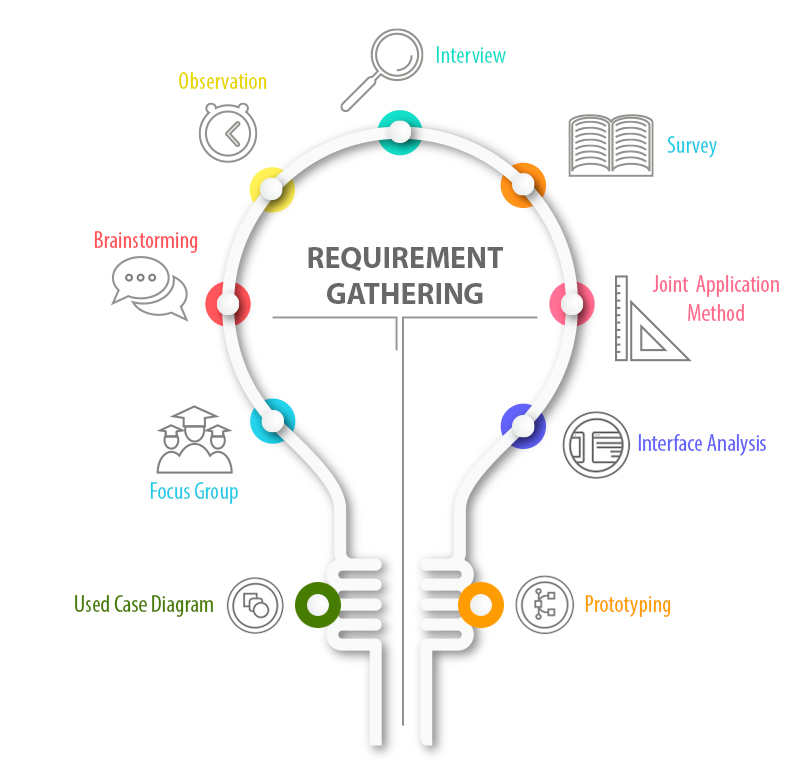
The initial phase of a business analysis proposal is all about defining the scope of the project. This involves clearly outlining what you'll be investigating, the specific objectives you'll be addressing, and the boundaries of the analysis. It's crucial to avoid scope creep – adding new requirements mid-project that can derail the entire endeavor. A detailed scope statement, often presented as a separate document, should explicitly state what's included and excluded from the analysis. This prevents misunderstandings and ensures everyone is on the same page. Consider using a Work Breakdown Structure (WBS) to visually represent the project's components and their dependencies. This provides a clear roadmap for the analysis team and helps manage expectations. Furthermore, defining the timeline and key milestones is essential for establishing a realistic project plan.
Identifying Key Stakeholders and Their Needs
A business analysis proposal needs to acknowledge and address the needs of all relevant stakeholders. This includes clients, internal teams, management, and potentially external partners. Understanding each stakeholder's perspective, their level of influence, and their specific interests is critical. Conducting stakeholder interviews and surveys can provide valuable insights into their expectations and concerns. Tailoring the proposal to address the unique requirements of each stakeholder group will significantly increase its effectiveness. For example, a proposal for a new marketing campaign will require a different approach than one for a process improvement initiative. Clearly articulating how your analysis will benefit each stakeholder is key to securing their support.
The Core Components of a Business Analysis Proposal
Now, let's examine the key components that typically comprise a comprehensive business analysis proposal. Each section plays a vital role in conveying the value of your analysis and persuading the client to invest in your services.
1. Executive Summary
The executive summary is arguably the most important section of the proposal. It's a concise overview of the entire document, highlighting the key findings, recommendations, and expected benefits. It should be written last, after all other sections have been completed, and should grab the reader's attention immediately. A strong executive summary should clearly articulate the problem, the proposed solution, and the anticipated return on investment (ROI).
2. Problem Statement & Business Context
This section details the specific business problem or opportunity that the analysis will address. It's crucial to clearly define the issue, explain its impact on the organization, and provide supporting data and evidence. Don't just state the problem; demonstrate why it's a significant issue. Contextualizing the problem within the larger business environment – including market trends, competitive landscape, and organizational goals – adds significant value. Quantifying the problem with data – such as lost revenue, increased costs, or decreased efficiency – strengthens the argument.
3. Proposed Solution & Analysis Approach
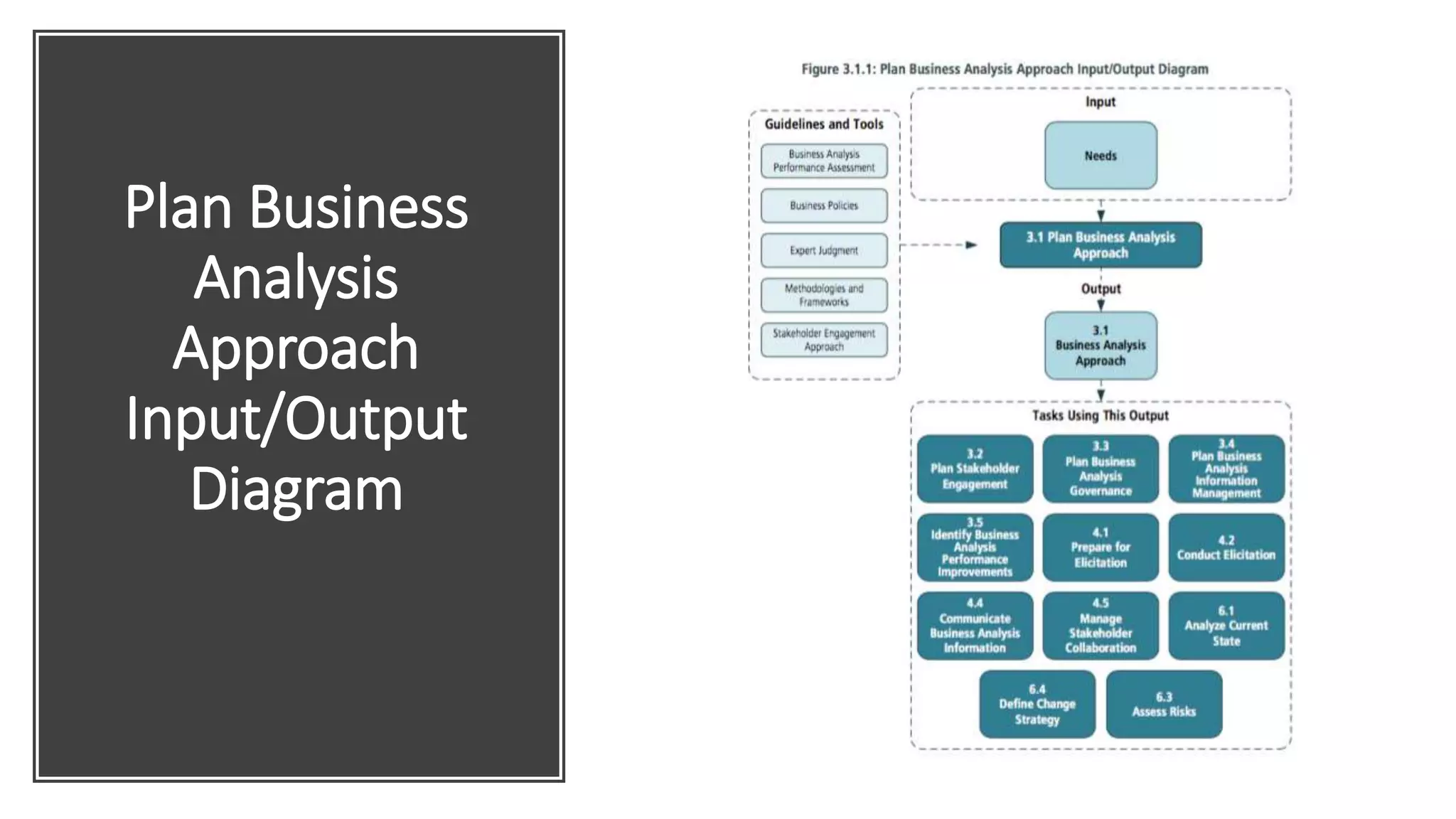
This section outlines the proposed solution to the identified problem. It should clearly describe the methodology you'll use for the analysis, including the data sources you'll leverage, the analytical techniques you'll employ, and the tools you'll utilize. Be specific about how you'll approach the analysis – will you use surveys, interviews, data mining, or a combination of methods? Demonstrate your understanding of the analytical process and your ability to deliver actionable insights. Highlight any unique or innovative approaches you'll take.
4. Deliverables & Timeline
This section clearly defines the specific deliverables that will be produced as part of the analysis. This could include reports, presentations, dashboards, or other tangible outputs. It's also important to establish a realistic timeline for completing each deliverable, outlining key milestones and deadlines. A well-defined timeline demonstrates your organization and commitment to delivering the project on time. Consider using a Gantt chart to visually represent the project schedule.
5. Cost & Resources
This section outlines the estimated costs associated with the analysis, including labor, software, and other expenses. It's essential to provide a clear breakdown of costs and justify the proposed budget. Also, outline the resources required – including the team members, equipment, and access to data. Transparency regarding costs builds trust with the client.
6. Appendix (Optional)
The appendix can include supporting documents such as interview transcripts, survey questionnaires, or detailed data tables.
Utilizing the Main Keyword: "Business Analysis Proposal Template"
The keyword "Business Analysis Proposal Template" is strategically woven throughout the proposal. It's not just a mention; it's integrated into the introduction, the description of the methodology, and the deliverables. This reinforces the topic of the document and helps potential clients quickly identify it as a relevant resource. The use of the keyword demonstrates that you've considered the specific needs of the client and that your proposal is tailored to their requirements.
Importance of a Professional Presentation
Beyond the content itself, the presentation of the proposal is equally important. A well-formatted, visually appealing document demonstrates professionalism and attention to detail. Use clear and concise language, consistent formatting, and appropriate visuals (charts, graphs, diagrams) to enhance readability. Proofread carefully for any grammatical errors or typos. A polished and professional presentation will leave a lasting positive impression on the client.
Conclusion
Creating a successful business analysis proposal is a critical undertaking for any organization seeking to improve its operations and achieve its strategic goals. By following the outlined steps and incorporating the key components discussed in this article, you can develop a compelling proposal that effectively communicates the value of your analysis and secures the approval of your client. Remember to tailor your proposal to the specific needs of each client and to demonstrate a deep understanding of their business challenges and opportunities. Investing the time and effort into crafting a well-structured and insightful proposal is an investment in the long-term success of your organization. Ultimately, a thoughtfully crafted proposal is a powerful tool for driving positive change and achieving tangible results.
0 Response to "Business Analysis Proposal Template"
Post a Comment