
Label Template 4 Per Page is a powerful and increasingly popular method for creating highly targeted and effective marketing campaigns. In today's digital landscape, where consumers are bombarded with information, simply broadcasting a generic message is rarely sufficient. Instead, businesses are leveraging this template to deliver personalized experiences, nurture leads, and ultimately, drive conversions. The core principle behind Label Template 4 Per Page is to segment your audience based on a variety of factors – demographics, purchase history, website behavior, and more – and then tailor your messaging to each segment. It's about moving beyond broad categories and creating truly individualized experiences. This article will delve into the intricacies of Label Template 4 Per Page, exploring its benefits, implementation, and best practices. Understanding how to utilize this template effectively is crucial for any marketer looking to optimize their campaigns and achieve significant results. Let's explore how this approach can transform your marketing strategy.
The rise of data analytics has been a key driver in the adoption of Label Template 4 Per Page. Traditionally, marketing relied on broad targeting strategies, often resulting in wasted resources and low engagement. Now, businesses can pinpoint exactly who they're trying to reach and deliver the right message to them. This precision is achieved by collecting and analyzing data about your audience – information that can be used to create distinct profiles. The template itself is a structured framework that allows marketers to build these profiles and then craft targeted content. It's not just about collecting data; it's about understanding it and using that understanding to create compelling campaigns. The initial setup often involves defining key variables – things like age, location, interests, and past purchases – and then linking these variables to specific actions or behaviors. This linking is critical for ensuring that the right message is delivered to the right person at the right time.

The benefits of implementing a Label Template 4 Per Page strategy are numerous. Firstly, it significantly improves marketing ROI. By delivering personalized content, businesses can increase engagement and conversion rates. Secondly, it enhances customer experience. Consumers appreciate being treated as individuals, and a personalized approach fosters loyalty. Thirdly, it allows for better lead nurturing. By segmenting leads based on their stage in the sales funnel, marketers can deliver targeted content that guides them towards a purchase. Finally, it facilitates data-driven optimization. By tracking the performance of different segments, marketers can identify what's working and what's not, allowing them to continuously refine their campaigns. Furthermore, Label Template 4 Per Page is particularly valuable for e-commerce businesses, allowing for highly targeted product recommendations and promotions.

Let's examine a practical example of how Label Template 4 Per Page can be applied in an e-commerce setting. Imagine an online clothing retailer. They could create four distinct segments: "New Customers," "Loyal Customers," "High-Value Customers," and "Abandoned Cart Users." The "New Customers" segment might receive a welcome email with a discount code, while the "Loyal Customers" segment receives exclusive offers and early access to new arrivals. The "High-Value Customers" segment receives personalized recommendations based on their past purchases, and the "Abandoned Cart Users" segment receives a reminder email with a discount code to complete their purchase. Each segment would be built upon a foundation of data – purchase history, browsing behavior, and demographic information. The key is to link these variables together to create a cohesive and relevant experience. This level of personalization is simply not possible with traditional email marketing.
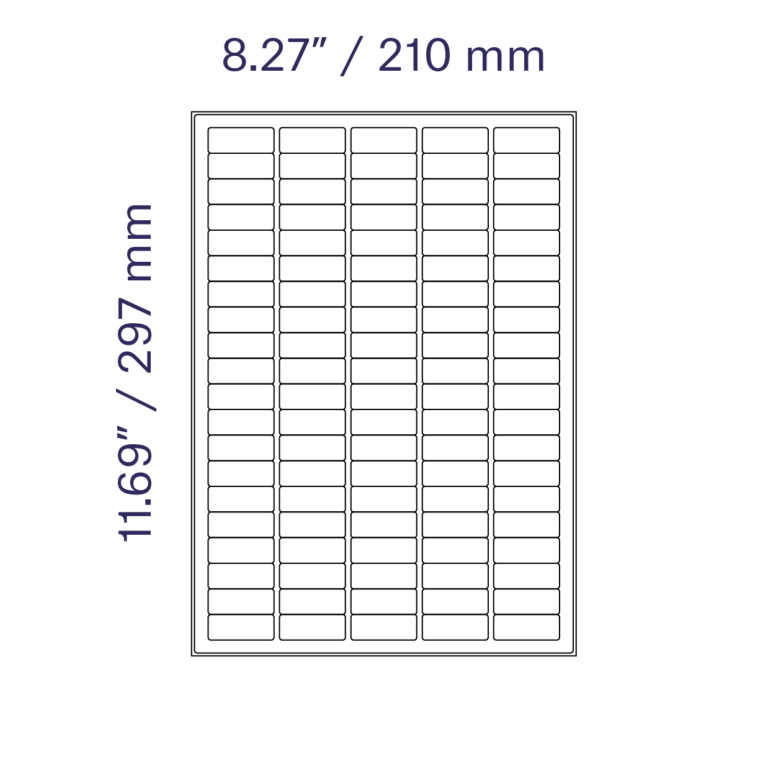
The process of building a Label Template 4 Per Page begins with data collection and analysis. This often involves using tools like Google Analytics, CRM systems, and marketing automation platforms. Data collection should be ethical and compliant with privacy regulations like GDPR and CCPA. It's crucial to obtain explicit consent from users before collecting and using their data. Once data is collected, it needs to be cleaned and organized. This involves identifying and removing duplicates, correcting errors, and ensuring data consistency. The next step is to define the key variables that will be used to segment your audience. These variables should be relevant to your business goals and should be measurable. For example, if you're selling travel packages, you might use variables like destination, travel dates, budget, and travel style. The more granular your segmentation, the more effective your campaigns will be.

Once the variables are defined, you can begin to build the profiles for each segment. This typically involves creating a spreadsheet or database that contains all the relevant data. The spreadsheet should be organized in a way that makes it easy to analyze and visualize the data. There are various tools available to help with this process, including Excel, Google Sheets, and specialized marketing automation platforms. The process of creating these profiles is iterative. As you gather more data, you'll need to refine your segmentation and adjust your targeting strategies. It's important to continuously monitor the performance of your campaigns and make adjustments as needed. A/B testing is a valuable tool for optimizing your segmentation and targeting strategies. Experimenting with different segments and messaging can help you identify what resonates best with your audience.
The implementation of Label Template 4 Per Page requires a strategic approach. It's not a one-size-fits-all solution, and the specific implementation will vary depending on your business and your goals. Start small and focus on a few key segments initially. Don't try to segment your entire audience at once. Once you've identified the most valuable segments, you can expand your segmentation efforts over time. Consider using a combination of automated tools and manual analysis to streamline the process. Furthermore, ensure that your marketing technology integrates seamlessly with your data sources. This will allow you to collect and analyze data more efficiently. Finally, provide your team with the training and support they need to effectively utilize the Label Template 4 Per Page strategy.
The success of Label Template 4 Per Page hinges on the quality of your data and the effectiveness of your segmentation. Garbage in, garbage out – a common saying for a reason. Ensure that your data is accurate and complete. Invest in data cleansing and validation processes. Don't rely on assumptions or gut feelings. Continuously monitor your campaign performance and make adjustments as needed. Regularly review your segmentation strategy and ensure that it remains aligned with your business goals. Furthermore, consider using machine learning to automate some of the segmentation process. Machine learning algorithms can analyze large datasets and identify patterns that humans might miss. However, it's important to remember that machine learning is a tool, not a replacement for human judgment. The final piece of the puzzle is a robust analytics dashboard that provides real-time insights into campaign performance.
Conclusion
Label Template 4 Per Page represents a significant advancement in marketing strategy, offering a more targeted and effective approach to reaching and engaging your audience. By segmenting your audience based on a variety of factors and then tailoring your messaging to each segment, businesses can significantly improve their marketing ROI, enhance customer experience, and drive conversions. The benefits extend beyond simply increasing sales; it fosters stronger customer relationships and builds brand loyalty. Implementing this strategy requires careful planning, diligent data collection and analysis, and a commitment to continuous optimization. As data analytics continues to evolve, Label Template 4 Per Page will undoubtedly remain a cornerstone of effective marketing practices. It's a dynamic approach that adapts to the ever-changing digital landscape, ensuring that your marketing efforts remain relevant and impactful. Ultimately, embracing Label Template 4 Per Page is an investment in the long-term success of your business. Don't underestimate the power of personalized marketing – it's no longer a luxury, but a necessity.
0 Response to "Label Template 4 Per Page"
Post a Comment