The landscape of sales management is constantly evolving, demanding more than just data collection – it requires insightful analysis and strategic reporting. A well-crafted Sales Manager Monthly Report Template is no longer a luxury, but a critical tool for driving performance, identifying trends, and ultimately, boosting revenue. This article will delve into the importance of these templates, exploring their key components, benefits, and how to create effective ones tailored to your specific sales team and business goals. Sales Manager Monthly Report Templates are designed to provide a clear, concise, and actionable overview of sales activities, allowing managers to quickly assess progress, pinpoint areas for improvement, and make informed decisions. They're more than just spreadsheets; they're a strategic communication tool.
The Importance of Sales Manager Reports
Effective sales reporting isn't simply about generating numbers; it's about understanding why those numbers are being generated. A comprehensive Sales Manager Report provides a holistic view of the sales process, revealing bottlenecks, highlighting top performers, and identifying opportunities for optimization. Without this data, managers are essentially flying blind, making decisions based on guesswork rather than concrete evidence. The consistent delivery of accurate and timely reports fosters trust within the sales team and provides a clear path to accountability. Furthermore, robust reporting allows for data-driven adjustments to sales strategies, ensuring they remain aligned with business objectives. The ability to quickly identify and address issues is paramount to sustained success.

Core Components of a Sales Manager Monthly Report Template
A truly effective Sales Manager Report typically includes several key sections. The structure should be logical and easy to navigate, allowing sales managers to quickly grasp the most important information. Here's a breakdown of the essential components:
- Executive Summary: This is arguably the most crucial section. It provides a high-level overview of the month's performance, highlighting key achievements, challenges, and overall trends. It should be concise and easily digestible, ideally no more than 200-300 words. Sales Manager Monthly Report Templates should include a clear statement of the overall performance against targets.
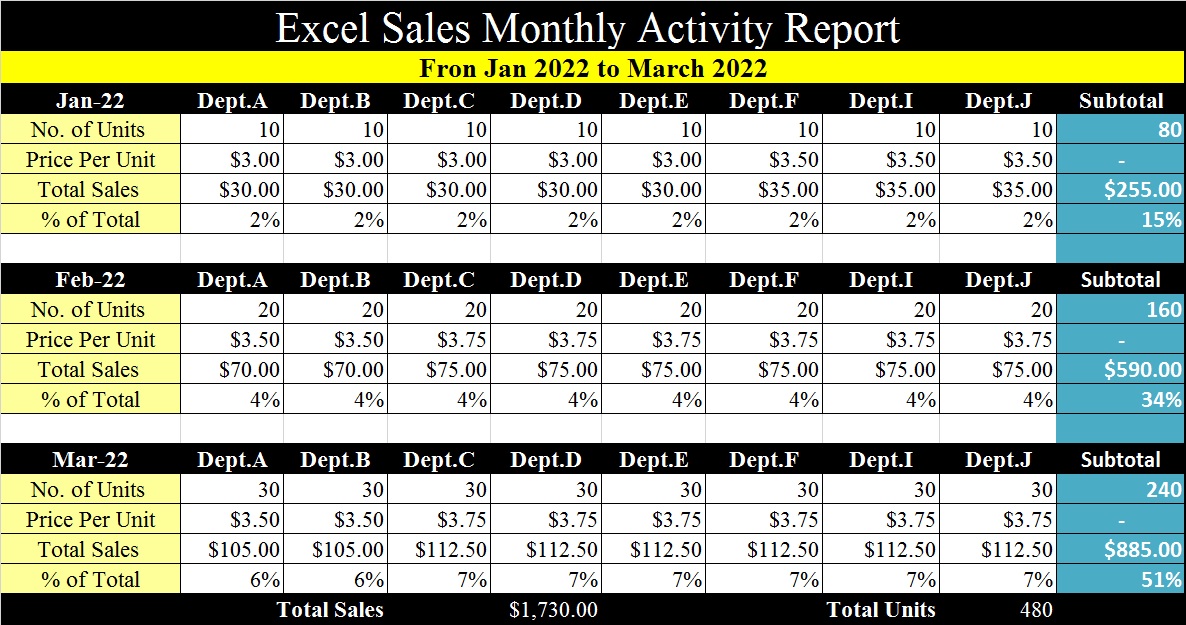
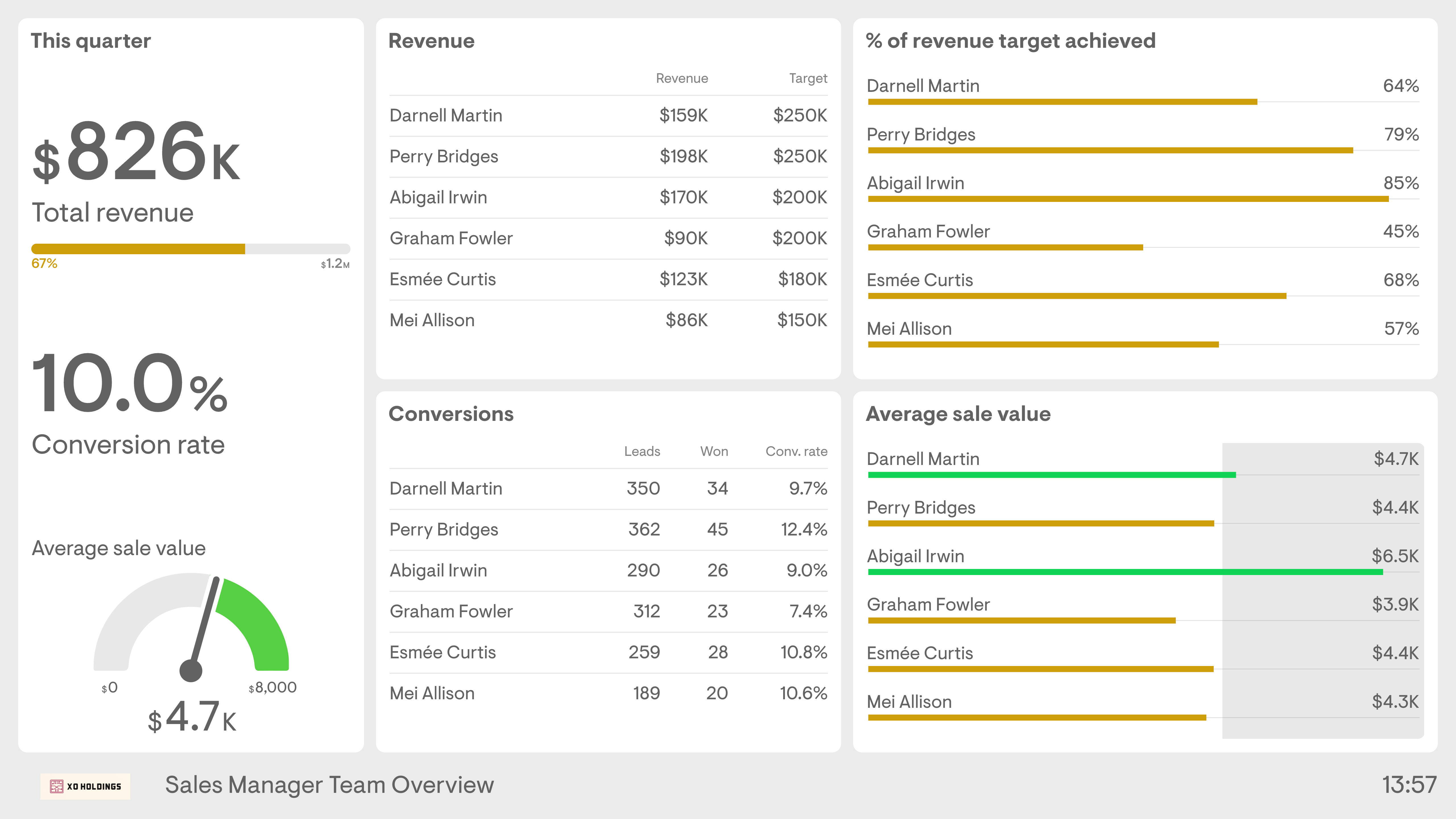
- Sales Performance Overview: This section presents a detailed breakdown of sales figures, categorized by product, region, sales representative, or other relevant metrics. Key metrics to include include:
- Total Revenue: The total amount of revenue generated.
- Sales Volume: The number of units sold.
- Conversion Rate: The percentage of leads that convert into customers.
- Average Deal Size: The average value of each closed deal.
- Pipeline Value: The total value of deals in the sales pipeline.
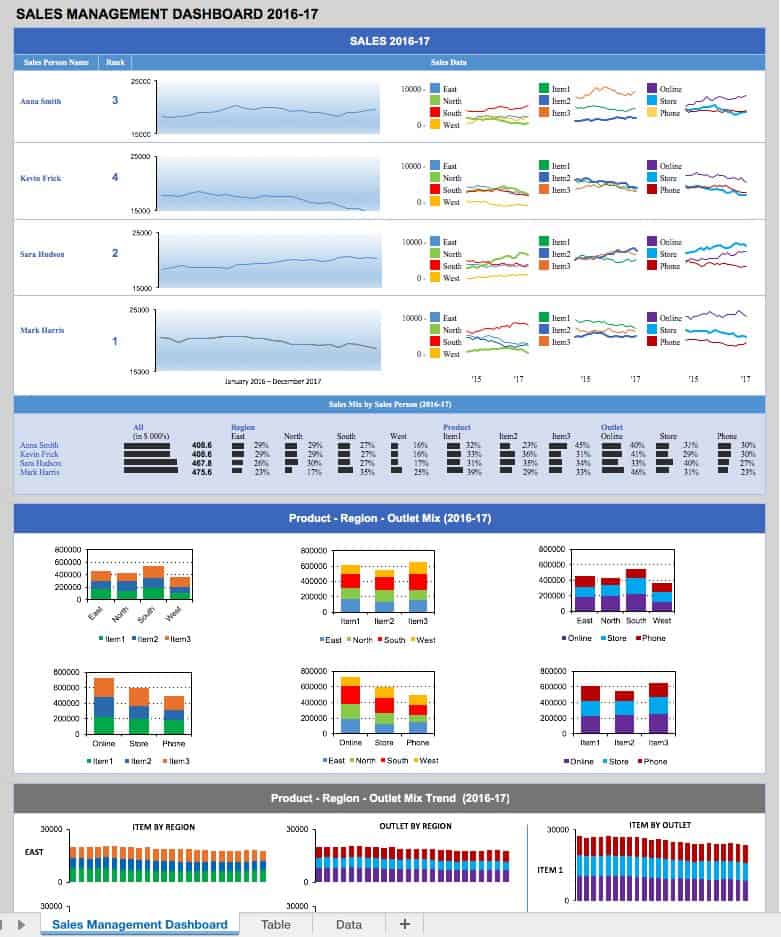
- Sales Representative Performance: This section provides individual performance metrics for each sales representative. It should include:
- Sales Targets: The individual's assigned sales targets.
- Actual Sales: The actual revenue generated by the representative.
- Lead Conversion Rate: The percentage of leads converted into customers.
- Call/Meeting Activity: The number of calls and meetings conducted.
- Pipeline Analysis: A detailed analysis of the sales pipeline, including:
- Pipeline Value: The total value of all deals in the pipeline.
- Deal Stage Distribution: The proportion of deals in each stage of the sales cycle (e.g., Prospecting, Qualification, Proposal, Negotiation, Closed Won, Closed Lost).
- Pipeline Risk Assessment: Identification of deals at risk of being lost due to factors such as pricing, competition, or lack of interest.
- Market Trends & Competitive Analysis: This section provides insights into market trends and competitor activity. It could include data on market share, competitor pricing, and customer feedback. Understanding these trends is vital for strategic planning.
- Customer Feedback & Support: Include data on customer satisfaction, support tickets, and any other relevant feedback. This demonstrates a commitment to customer service and can inform product development and sales strategies.
Benefits of Utilizing a Sales Manager Monthly Report Template
Implementing a well-designed Sales Manager Report template offers a multitude of benefits. It streamlines the reporting process, providing sales managers with the information they need to make data-driven decisions. Here's a look at the advantages:
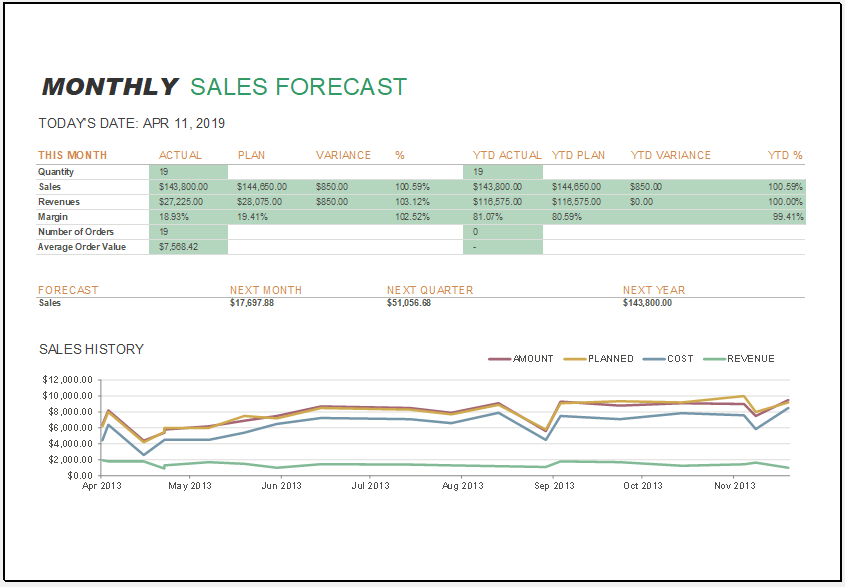
- Improved Performance Tracking: Regularly monitoring key metrics allows for quick identification of areas needing improvement.
- Increased Accountability: Clear reporting establishes accountability for individual and team performance.
- Data-Driven Decision Making: Reports provide the evidence needed to support strategic decisions regarding sales strategies, resource allocation, and pricing.
- Enhanced Sales Forecasting: Analyzing historical data and pipeline trends enables more accurate sales forecasting.
- Streamlined Communication: The report format facilitates clear and concise communication between sales and management.
- Increased Sales Team Engagement: Providing sales reps with the information they need to succeed fosters a sense of ownership and engagement.
Best Practices for Creating Effective Sales Manager Reports
Creating a truly valuable Sales Manager Report requires careful planning and execution. Here are some best practices to consider:
- Start with Clear Objectives: Define the purpose of the report and the key questions it should answer.
- Choose the Right Metrics: Select metrics that are relevant to your business goals and that provide actionable insights.
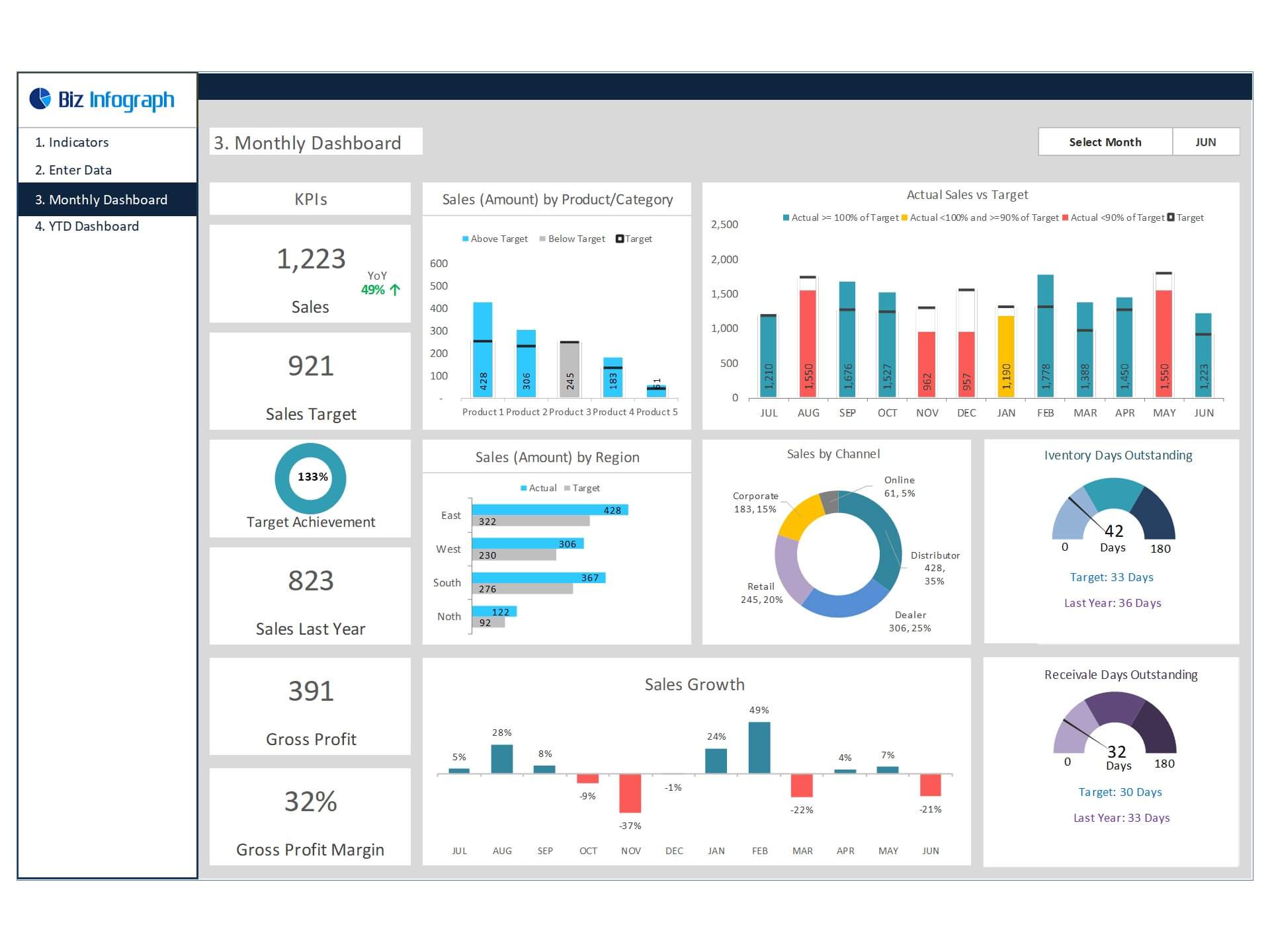
- Use Visualizations: Charts and graphs can make data more engaging and easier to understand.
- Keep it Concise: Avoid unnecessary clutter and focus on the most important information.
- Automate Reporting: Utilize software tools to automate the report generation process.
- Regular Review and Refinement: Periodically review and refine the report template based on feedback and changing business needs.
Conclusion
Sales Manager Monthly Report Templates are an indispensable tool for driving sales success. By providing a clear, concise, and actionable overview of sales performance, these templates empower sales managers to make informed decisions, optimize their strategies, and ultimately, achieve their business objectives. Investing in a well-designed template is an investment in the future of your sales team and your organization's revenue growth. Sales Manager Monthly Report Templates are a cornerstone of effective sales management, facilitating a continuous cycle of analysis, improvement, and strategic alignment.
Conclusion
The consistent delivery of accurate and timely reports is paramount to sustained success in the sales industry. A robust Sales Manager Monthly Report Template provides a clear, concise, and actionable overview of sales activities, allowing managers to quickly assess progress, pinpoint areas for improvement, and make informed decisions. The ability to quickly identify and address issues is paramount to sustained success. Furthermore, data-driven adjustments to sales strategies are essential to maintaining a competitive edge. Ultimately, the strategic use of these templates empowers sales teams to consistently exceed expectations and drive significant revenue growth.
0 Response to "Sales Manager Monthly Report Templates"
Post a Comment