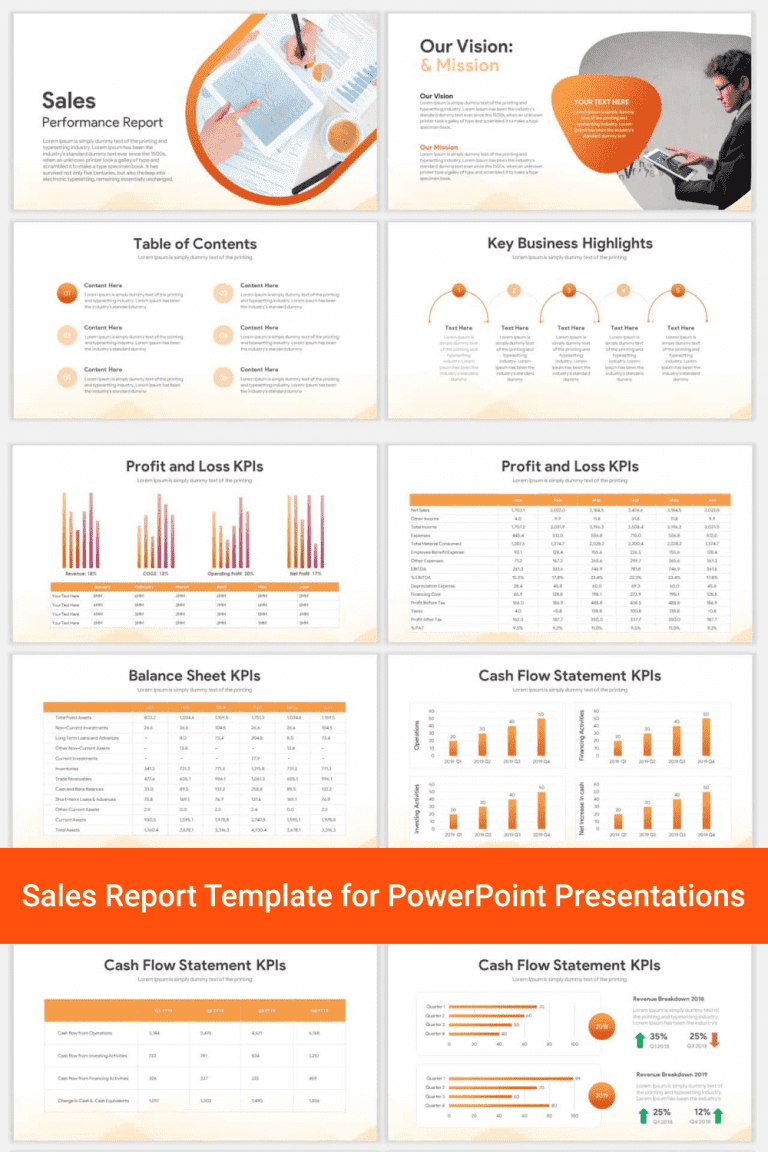
The modern business landscape demands data-driven decision-making. Tracking sales performance is no longer a simple exercise; it's a critical component of strategic planning and operational efficiency. A robust sales report template is essential for effectively visualizing and analyzing sales trends, identifying areas for improvement, and ultimately, boosting revenue. This article will delve into the importance of sales report templates, exploring their benefits, key features, and how to create a powerful one using a PowerPoint presentation. Understanding the nuances of these templates is vital for anyone responsible for sales forecasting, performance monitoring, and overall business success. Sales Report Template Powerpoint is more than just a visual representation of numbers; it's a tool for understanding the why behind the numbers. Let's explore how to leverage these templates to gain a competitive edge.
The Importance of Sales Reports
Effective sales reporting isn't just about presenting data; it's about translating raw figures into actionable insights. Without a clear and concise sales report, businesses risk operating in the dark, making decisions based on guesswork rather than evidence. A well-structured sales report provides a comprehensive overview of sales activity, allowing stakeholders to quickly grasp key performance indicators (KPIs) and identify potential problems or opportunities. The ability to analyze sales trends over time is particularly valuable for forecasting future performance and making proactive adjustments to sales strategies. Furthermore, a polished sales report enhances communication between sales teams, management, and other departments, fostering collaboration and alignment. The consistent use of a standardized template ensures that everyone is working with the same data and understanding the same metrics, minimizing confusion and maximizing efficiency. Ultimately, investing in a quality sales report template is an investment in the future of your business.
Key Features of a Sales Report Template
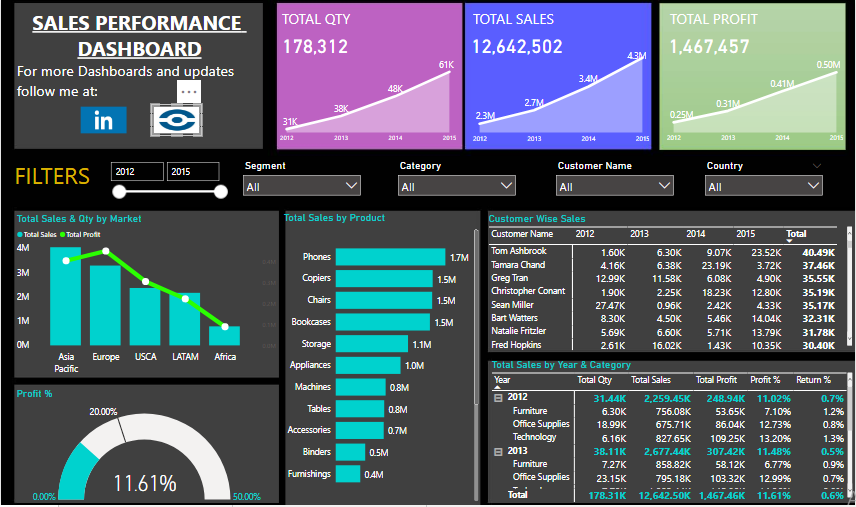
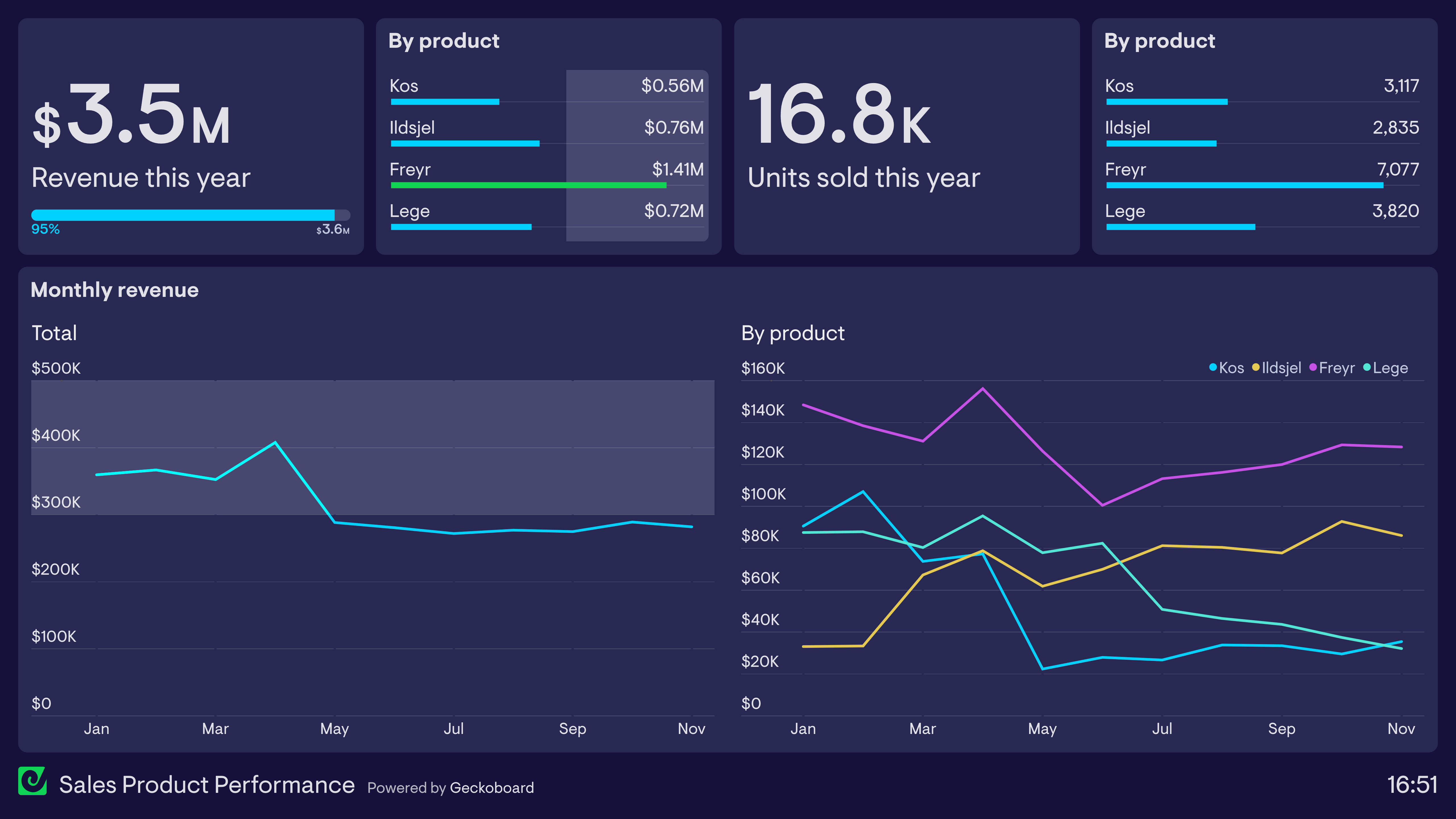
Several key features distinguish effective sales report templates. These features go beyond simply displaying data; they are designed to facilitate analysis and interpretation. Sales Report Template Powerpoint often incorporates interactive charts and graphs, allowing users to drill down into specific data points and uncover hidden trends. Furthermore, many templates include customizable dashboards that provide a high-level overview of key metrics, such as revenue, sales cycle length, and conversion rates. The ability to filter data by region, product, or sales representative is crucial for isolating performance variations and identifying top performers. A good template also allows for the inclusion of key performance indicators (KPIs) tailored to specific business goals. Consider incorporating features like sales velocity, average deal size, and customer acquisition cost – these metrics provide a more granular understanding of sales effectiveness. Finally, many templates support automated reporting, generating reports on a regular basis and eliminating the need for manual data entry.

Sections of a Comprehensive Sales Report Template
Let's examine the core components of a robust sales report template. A well-designed template typically includes the following sections:
1. Executive Summary
This section provides a concise overview of the sales performance for a specific period. It should highlight key achievements, challenges, and overall trends. It's often the first thing executives read, so it needs to be compelling and easy to understand. A strong executive summary should include a brief statement of revenue, sales growth, and key performance indicators (KPIs). It's a crucial element for quickly conveying the essence of the report.
2. Sales Performance Overview
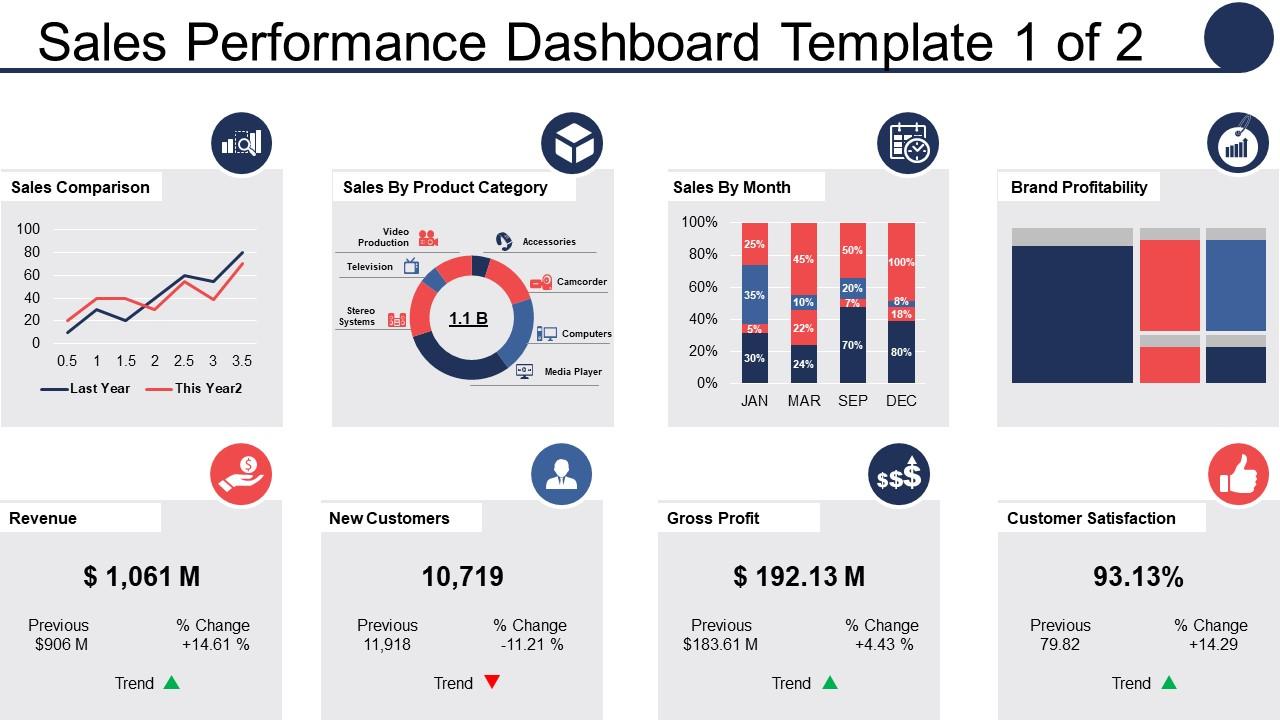
This section presents a detailed breakdown of sales performance across different categories. It typically includes metrics such as total revenue, sales volume, and sales by region or product line. Visualizations like bar charts and pie charts are highly effective here, allowing for easy comparison of different segments. Understanding the overall sales trend is paramount.
3. Sales by Product/Service
A dedicated section focusing on individual products or services allows for a deeper dive into specific offerings. This section can include detailed sales figures, customer demographics, and marketing campaign performance. It's important to segment sales by product to identify best-selling items and areas for improvement.
4. Sales Cycle Analysis
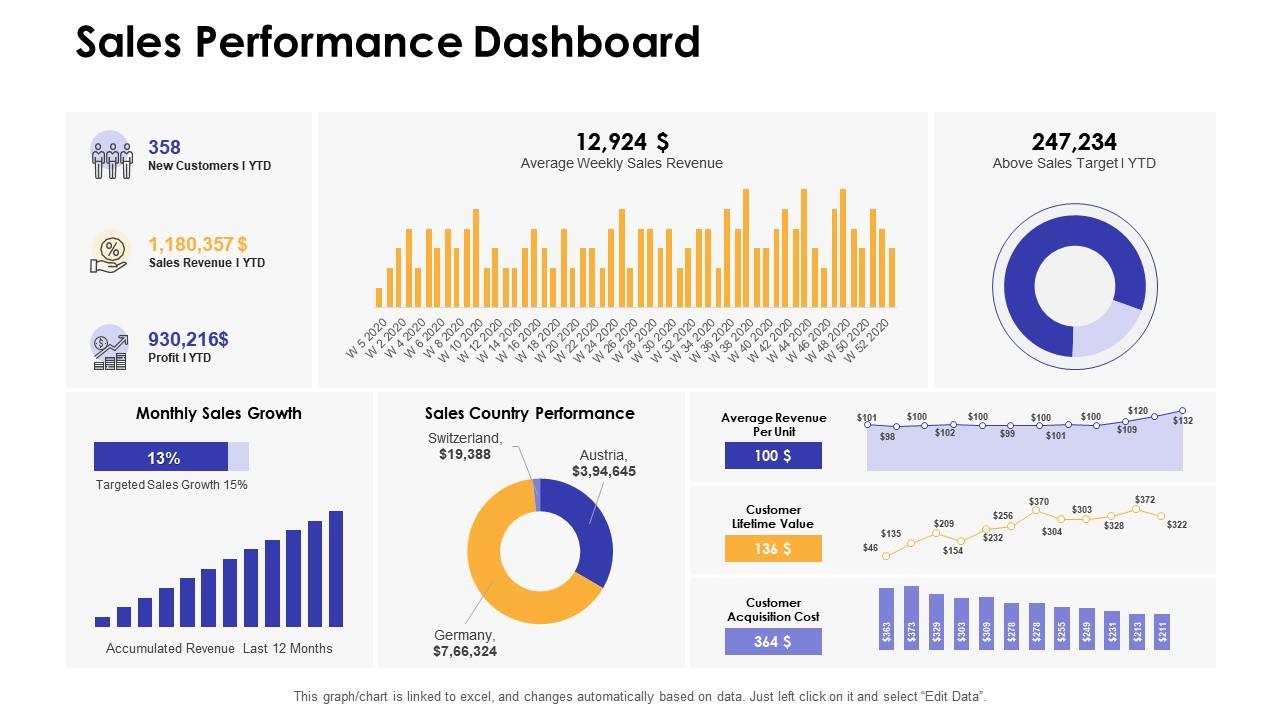
This section examines the length and efficiency of the sales cycle. It can include metrics such as average deal size, sales cycle length, and conversion rates. Analyzing the sales cycle can reveal bottlenecks and opportunities to streamline the process. Understanding the time it takes to close a deal is critical for optimizing sales strategies.
5. Customer Segmentation
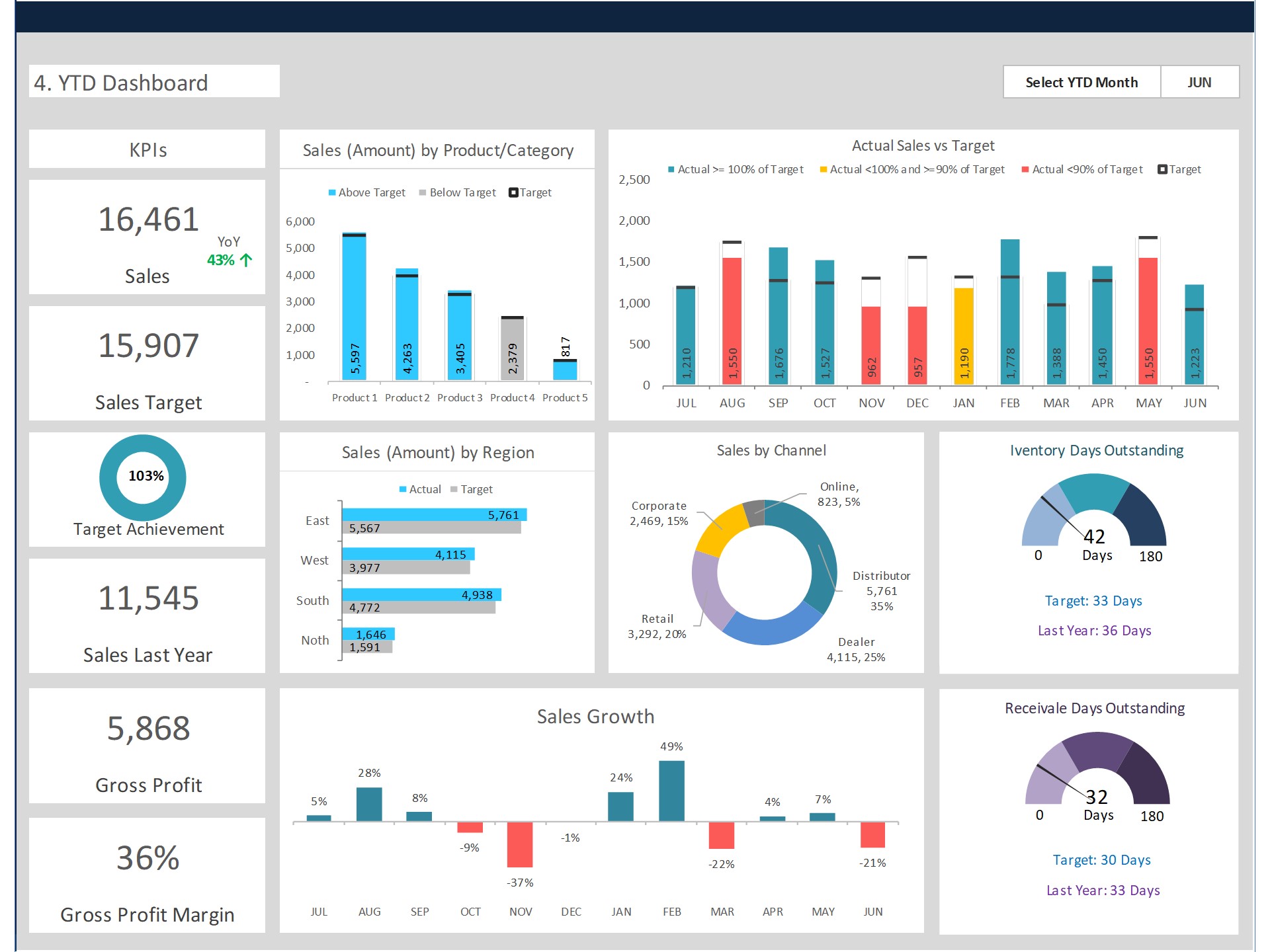
Analyzing sales data by customer segment can reveal valuable insights into customer behavior and preferences. This section can include data on customer lifetime value, churn rate, and acquisition costs. Understanding your customer base allows for targeted marketing campaigns and improved customer retention.

6. Regional Performance
A dedicated section for regional sales performance allows for a comparison of sales across different geographic areas. This can help identify regional strengths and weaknesses and inform regional sales strategies. Consider using maps to visually represent regional sales data.
7. Key Performance Indicators (KPIs)
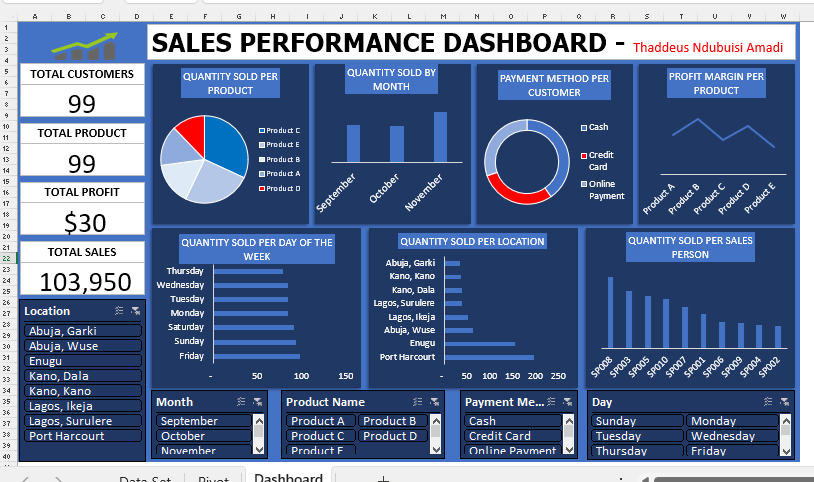
This section highlights the most important KPIs for tracking sales performance. These KPIs should be aligned with the overall business goals and should be tracked regularly. Examples include revenue growth, customer acquisition cost, and customer lifetime value. Clearly displaying these KPIs helps stakeholders understand the impact of sales efforts.

Creating a Powerful Sales Report Template
Several tools and resources can assist in creating a compelling sales report template. Microsoft Excel, Google Sheets, and dedicated business intelligence platforms like Tableau and Power BI are popular choices. For PowerPoint, you can leverage built-in features and templates to create visually appealing and informative presentations. Consider using pre-designed templates as a starting point and customizing them to fit your specific needs. Remember to maintain a consistent design aesthetic throughout the template. Data visualization is key – choose charts and graphs that effectively communicate the data. Don't overcrowd the slides; focus on clarity and conciseness. Ensure that all charts and graphs are properly labeled and easy to understand. Finally, test the template thoroughly to ensure that it functions correctly and provides the desired insights.
The Future of Sales Report Templates
The landscape of sales report templates is constantly evolving. Artificial intelligence (AI) and machine learning (ML) are increasingly being integrated into these tools, enabling automated data analysis and predictive reporting. AI-powered tools can automatically identify trends, anomalies, and outliers in the data, providing valuable insights that would be difficult to uncover manually. Furthermore, ML algorithms can be used to forecast future sales performance based on historical data. The trend towards automated reporting and predictive analytics will continue to shape the future of sales report templates, making them even more powerful and valuable. Expect to see more interactive dashboards, personalized reports, and seamless integration with other business systems.
Conclusion
Sales report templates are an indispensable tool for businesses seeking to optimize their sales performance. By providing a clear and concise overview of sales activity, these templates empower stakeholders to make informed decisions, identify areas for improvement, and ultimately, drive revenue growth. A well-designed template, incorporating key features and tailored to specific business needs, can significantly enhance the effectiveness of sales operations. Investing in a quality sales report template is an investment in the future success of your organization. Remember to consistently track and analyze your sales data to ensure that your templates remain relevant and effective. The ability to adapt to changing market conditions and customer needs is crucial for sustained success. Ultimately, a strategic approach to sales reporting, supported by a robust template, is the key to unlocking significant business value.
0 Response to "Sales Report Template Powerpoint"
Post a Comment