
The summer fair is a beloved tradition, bringing joy and community to neighborhoods across the country. It's a fantastic opportunity for local businesses, organizations, and residents to connect and celebrate the season. Planning a summer fair can be a significant undertaking, but with the right tools and resources, it can be a resounding success. One of the most crucial elements for a successful summer fair is a visually appealing and informative flyer – and that's where a well-designed Summer Fair Flyer Template comes in. This article will explore the essential aspects of creating effective flyers, focusing on design principles, content, and best practices to ensure your fair stands out. We'll delve into the various elements that contribute to a memorable and engaging flyer, ultimately helping you create a flyer that attracts attendees and boosts your fair's visibility. Let's begin!
Understanding the Importance of Effective Flyers
A summer fair flyer isn't just a piece of paper; it's a marketing tool. It's your first impression, your invitation, and a vital component in driving attendance. A poorly designed flyer can be easily overlooked, while a thoughtfully crafted one can capture attention and generate excitement. Consider the impact of a flyer on a potential attendee – it's a quick visual assessment of your fair's offerings. A visually appealing flyer immediately communicates what's happening and encourages people to learn more. Furthermore, a well-designed flyer can be a powerful tool for promoting local businesses and organizations, showcasing their participation and attracting new customers. Investing in a quality Summer Fair Flyer Template is an investment in your fair's success.
Designing for Visual Impact
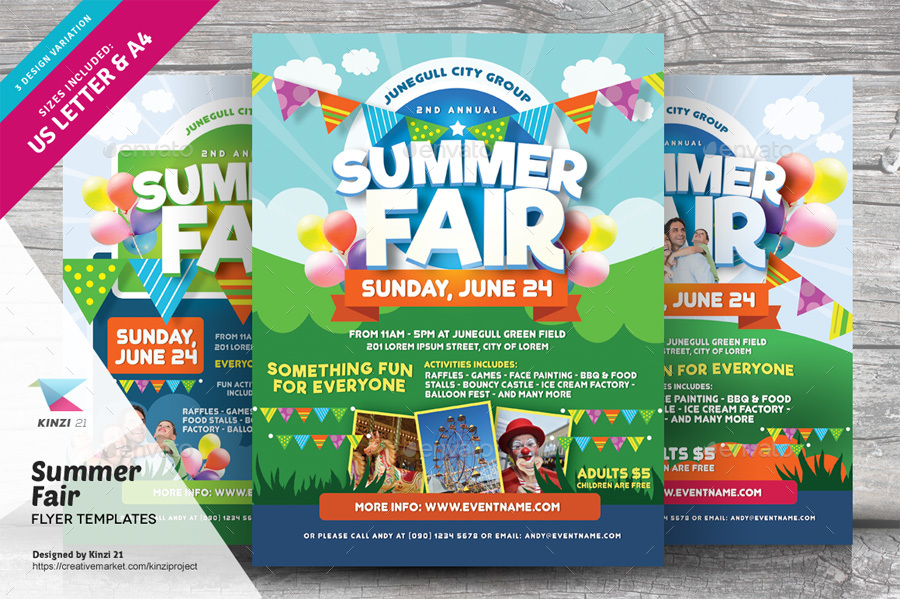
The visual appeal of your flyer is paramount. It's the first thing people will see, so it needs to be captivating and immediately communicate the key information. Color palettes play a significant role in creating a desired mood. Bright, cheerful colors like yellows, oranges, and reds are often associated with summer and fun, while cooler tones like blues and greens can evoke a sense of tranquility and relaxation. However, it's crucial to use color strategically – avoid overwhelming the design with too many colors. A limited color palette (2-3 colors) generally works best.

Consider using high-quality images – photographs of past fairs, local landmarks, or even illustrations that evoke the summer spirit. A professional-looking image can significantly enhance the overall appeal of your flyer. Remember to maintain a consistent visual style throughout the design, using the same fonts, colors, and imagery. A cohesive design creates a professional and trustworthy impression. Using vector graphics is also highly recommended, as they can be scaled without losing quality.
Content: Telling Your Fair's Story
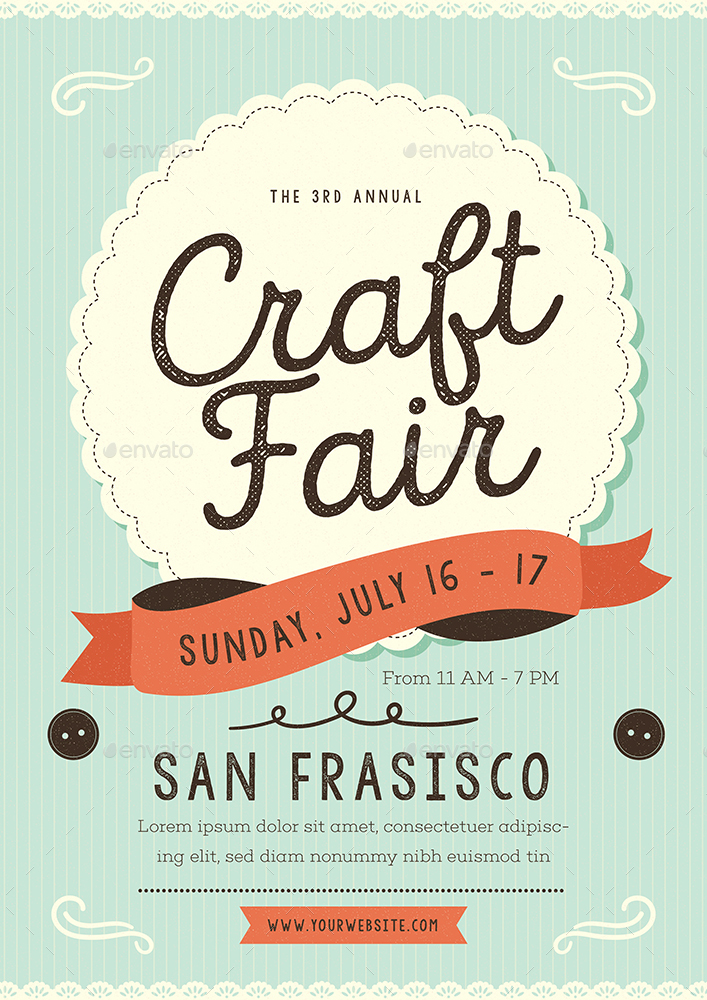
The content of your flyer is equally important. It needs to be clear, concise, and engaging, conveying the essential details of your fair. Don't overwhelm readers with too much information. Focus on the key highlights – what's happening, what's being offered, and why people should attend. Here's a breakdown of key content elements:

- Fair Name & Date: Clearly state the name of your fair and the date(s) it will be held.
- Location: Provide the full address of the fair location.
- Activities: List the main attractions – games, food vendors, live music, crafts, etc. Be specific!
- Highlights: Emphasize the most exciting or unique aspects of the fair.
- Admission Prices: Clearly state the cost of admission (if applicable).
- Contact Information: Include a website, phone number, or email address for inquiries.
- Social Media Handles: Add links to your fair's social media pages for easy sharing.
Sections for Detailed Information
Let's look at some specific sections that would be beneficial for a comprehensive flyer:
## Activities & Attractions
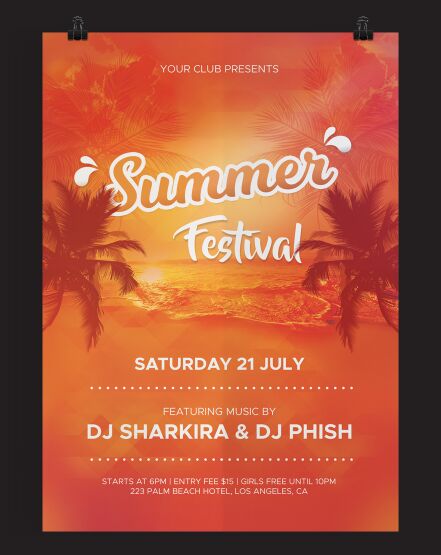
This section should be the heart of your flyer, showcasing what attendees can expect. Instead of simply listing activities, consider grouping them into categories:

- Live Music: "Featuring local bands!"
- Food Vendors: "Delicious treats from local restaurants!"
- Games & Prizes: "Classic carnival games and exciting prizes!"
- Craft Fair: "Unique handmade crafts and artwork!"
- Kids' Zone: "Fun activities for the little ones!"
### Vendor Spotlight
Highlighting participating vendors adds credibility and encourages attendance. Include their logos and a brief description of what they offer. This section is a great opportunity to promote local businesses and artisans.

## Event Schedule
A visual schedule is incredibly helpful for attendees. A simple timeline showing the start and end times of different activities can be very effective. Consider using icons or small images to represent each activity.

## Admission & Pricing
Clearly state the cost of admission and any special offers or discounts. Consider offering early bird pricing or family packages. Make it easy for people to understand the cost.

## Getting Involved
If you're organizing a volunteer event, include a call to action. "Volunteer today! Sign up at [website address]." You can also mention opportunities for sponsorship.
Design Principles for a Professional Flyer
Beyond the content, the design of your flyer is crucial. Here are some key principles to keep in mind:
- Typography: Choose fonts that are easy to read and complement the overall design. Limit yourself to 2-3 fonts.
- Color Contrast: Ensure sufficient contrast between text and background for readability.
- White Space: Don't overcrowd the flyer. Use white space to create visual breathing room and improve readability.
- Imagery: Use high-quality images that are relevant to the fair.
- Consistency: Maintain a consistent design throughout the flyer.
## Printing & Distribution
Once you've created your flyer, consider how you'll distribute it. Print flyers in various sizes to suit different locations – posters, flyers, banners, and social media posts. Distribute the flyers in high-traffic areas – community centers, local businesses, libraries, and event venues. Consider digital distribution as well – share the flyer on social media and email newsletters.
Measuring Success – Tracking Your Flyer's Impact
After the fair, it's important to track the success of your flyer. Did it generate enough attendance? Did it increase awareness of your fair? Use analytics tools to measure website traffic, social media engagement, and attendance numbers. This data will help you refine your flyer design and marketing strategies for future events.
Conclusion
Creating a successful Summer Fair Flyer Template requires careful planning, thoughtful design, and a clear understanding of your target audience. By focusing on visual appeal, compelling content, and effective distribution, you can ensure your flyer serves as a powerful marketing tool that drives attendance and boosts your fair's success. Remember, a well-designed flyer is an investment in your fair's future. Don't underestimate the power of a visually engaging flyer – it can make all the difference! Investing in a professional-looking flyer template is a worthwhile endeavor that will contribute significantly to the overall success of your summer fair.
0 Response to "Summer Fair Flyer Template"
Post a Comment