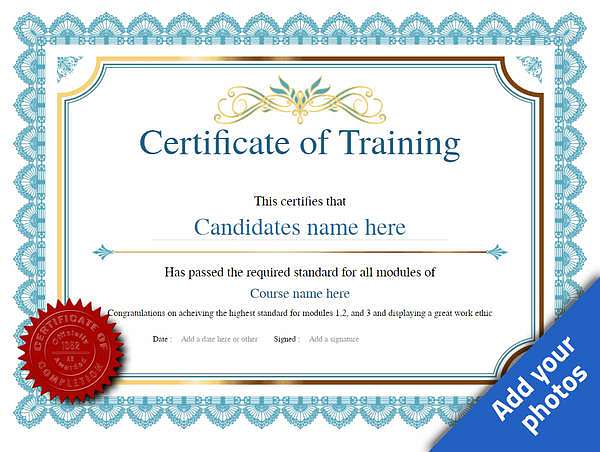
The world of professional development is constantly evolving, with new certifications and training programs emerging regularly. Navigating this landscape can be daunting, but having a clear and reliable method for obtaining and managing your training credentials is crucial for career advancement and recognition. That's where a well-designed "Template For Training Certificate" comes in. This article will explore the various aspects of obtaining, utilizing, and maintaining a valid "Template For Training Certificate," offering practical guidance and resources to help you succeed. We'll delve into the different types of certificates, the process of creation and approval, and the importance of documentation for legal and professional reasons. Ultimately, this guide aims to empower you with the knowledge you need to confidently showcase your skills and expertise.
The demand for skilled professionals continues to grow across numerous industries, fueling the need for robust and accessible training programs. Employers increasingly value certifications that demonstrate a commitment to continuous learning and a specific skillset. A "Template For Training Certificate" serves as a tangible representation of your qualifications, bolstering your credibility and opening doors to new opportunities. It's more than just a piece of paper; it's a symbol of your dedication to professional growth. Choosing the right "Template For Training Certificate" is a significant investment in your future.
Understanding Different Types of Training Certificates
The landscape of "Template For Training Certificate" options is surprisingly diverse. These certificates can be broadly categorized based on their focus and industry relevance. Some are focused on specific technical skills, while others are broader, encompassing a range of competencies. Here's a breakdown of some common types:
- Industry-Specific Certifications: These are often developed by industry associations and are highly valued by employers in particular sectors. For example, a Certified Project Manager (CPM) certification is widely recognized in construction and engineering. These certifications typically require a significant investment of time and resources, but they offer substantial benefits.
- Professional Development Certificates: These certificates are designed to enhance skills and knowledge within a specific field. They might focus on leadership, communication, data analysis, or cybersecurity. They are frequently offered by professional organizations and can significantly improve career prospects.
- Government-Issued Certificates: In some countries, government agencies issue certificates related to specific roles or regulations. These certificates are often required for employment in public sector roles.
- Online Training Certificates: These certificates are typically awarded through online learning platforms and demonstrate a commitment to self-directed learning. They are increasingly popular, offering flexibility and accessibility.
The Process of Creating and Obtaining a "Template For Training Certificate"
The journey to obtaining a "Template For Training Certificate" can vary depending on the type of certificate and the issuing organization. However, the general process typically involves the following steps:
- Identify the Need: Determine the specific skills or knowledge you need to demonstrate to potential employers or clients.
- Research Training Programs: Explore various training programs and certifications that align with your goals. Consider factors such as cost, duration, and reputation.
- Choose a Certification Body: Select a reputable certification body that is accredited and recognized by relevant industry standards.
- Complete the Coursework: Successfully complete the required training modules and assessments.
- Pass the Exam: Prepare thoroughly for and pass the certification exam.
- Submit Documentation: Gather all necessary documentation, such as transcripts, proof of completion, and a statement of proficiency.
- Receive Your Certificate: Once your application is approved, you will receive your "Template For Training Certificate."
Key Components of a Valid "Template For Training Certificate"
A truly valuable "Template For Training Certificate" is more than just a piece of paper. It's a comprehensive document that demonstrates your competence and commitment to ongoing professional development. Here are some key components to consider:
- Certificate Details: The certificate should include the name of the issuing organization, the certification title, the date of issue, and the validity period.
- Coursework Information: A detailed description of the training modules completed, including the topics covered and the assessment methods used.
- Exam Results: A record of your performance on the certification exam, including your score and any feedback received.
- Statement of Proficiency: A written statement outlining your understanding of the skills and knowledge covered in the certificate.
- Professional Photo: A professional headshot to enhance your credibility.
- Contact Information: Your contact information for follow-up inquiries.
Utilizing Your "Template For Training Certificate" Effectively
Once you've obtained your "Template For Training Certificate," it's crucial to utilize it effectively to showcase your skills and advance your career. Here are some tips:
- Tailor Your Resume: Highlight the skills and knowledge demonstrated by your certificate on your resume.
- Use it in Cover Letters: Reference your certificate when applying for jobs or internships.
- Include it on LinkedIn: Add your certificate to your LinkedIn profile to demonstrate your commitment to professional development.
- Share it on Social Media: Promote your certificate on social media to showcase your expertise.
- Keep it Current: Regularly update your certificate to reflect any new skills or knowledge you've acquired.
Maintaining Your "Template For Training Certificate"
The value of a "Template For Training Certificate" isn't static. It's important to maintain it throughout your career to demonstrate your ongoing commitment to professional growth. This includes:
- Renewal: Many certifications require periodic renewal, so be sure to keep track of the expiration dates.
- Updating: As your skills and knowledge evolve, update your certificate to reflect your latest accomplishments.
- Documentation: Maintain copies of all your certification documents for future reference.
Conclusion: Investing in Your Future Through a "Template For Training Certificate"
In today's competitive job market, possessing a "Template For Training Certificate" is a significant asset. It's a tangible representation of your skills, knowledge, and dedication to professional development. By understanding the different types of certificates available, the process of obtaining them, and how to effectively utilize them, you can confidently showcase your qualifications and unlock new opportunities. Investing in your professional development through a well-maintained "Template For Training Certificate" is an investment in your future success. Don't underestimate the power of this credential – it's a valuable tool for career advancement and long-term professional growth. The key is to choose a certificate that aligns with your specific goals and to actively utilize it to demonstrate your competence and commitment to excellence. Remember, a well-crafted "Template For Training Certificate" is more than just a piece of paper; it's a statement of your professional journey.
0 Response to "Template For Training Certificate"
Post a Comment