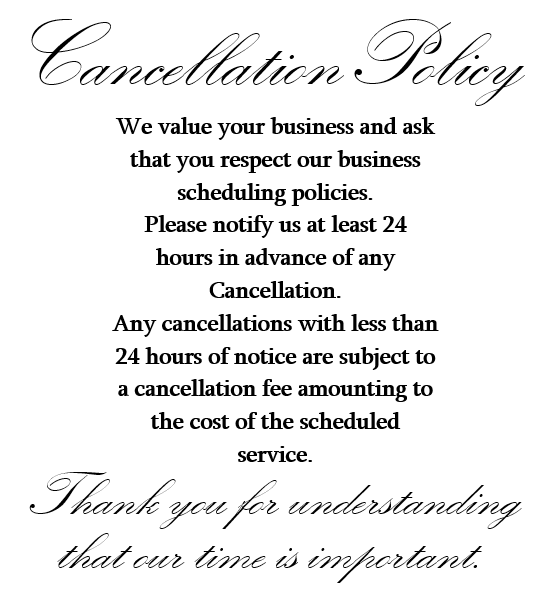
The world of massage therapy can be unpredictable. Unexpected cancellations, unforeseen circumstances, or simply a change in client preferences can disrupt a session. A robust and clearly communicated cancellation policy is crucial for both your business and your clients. This article provides a comprehensive guide to creating and implementing a effective Massage Cancellation Policy Template, ensuring smooth operations and maintaining client satisfaction. Massage Cancellation Policy Template – understanding and adhering to this policy is a fundamental aspect of responsible business practices. It's more than just a formality; it's a proactive measure that protects your business and sets clear expectations. Let's delve into the key elements of a successful cancellation policy.
Understanding the Importance of a Cancellation Policy
A well-defined cancellation policy isn't simply about avoiding disputes. It's about demonstrating professionalism, transparency, and a commitment to your clients' time and convenience. Clients appreciate knowing their options and feeling valued. Conversely, a vague or unclear policy can lead to frustration, wasted time, and potentially damage your reputation. A clear policy minimizes these issues and fosters trust. Consider the potential consequences of a poorly executed policy – lost revenue, negative reviews, and a strained client relationship. Investing time in creating a solid policy is an investment in the long-term health of your business.
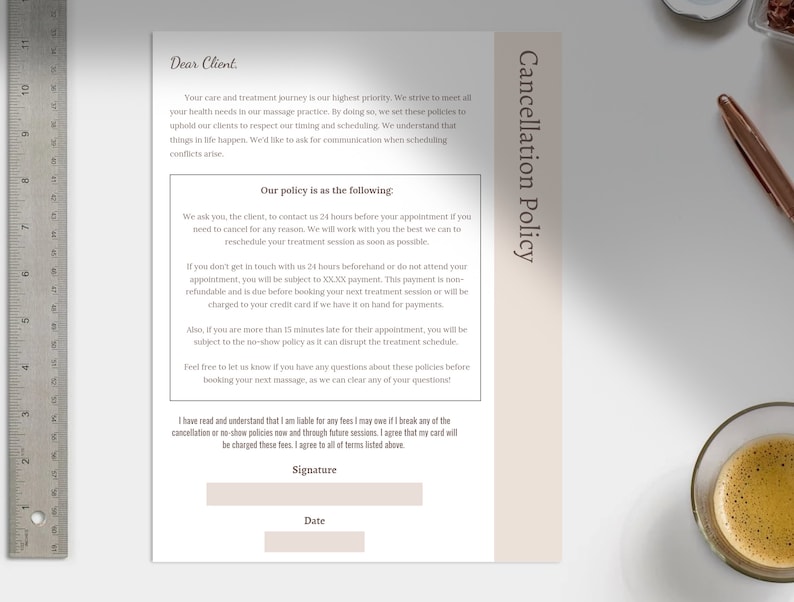
Key Components of a Massage Cancellation Policy Template
A comprehensive massage cancellation policy should address several critical aspects. Here's a breakdown of the essential elements:
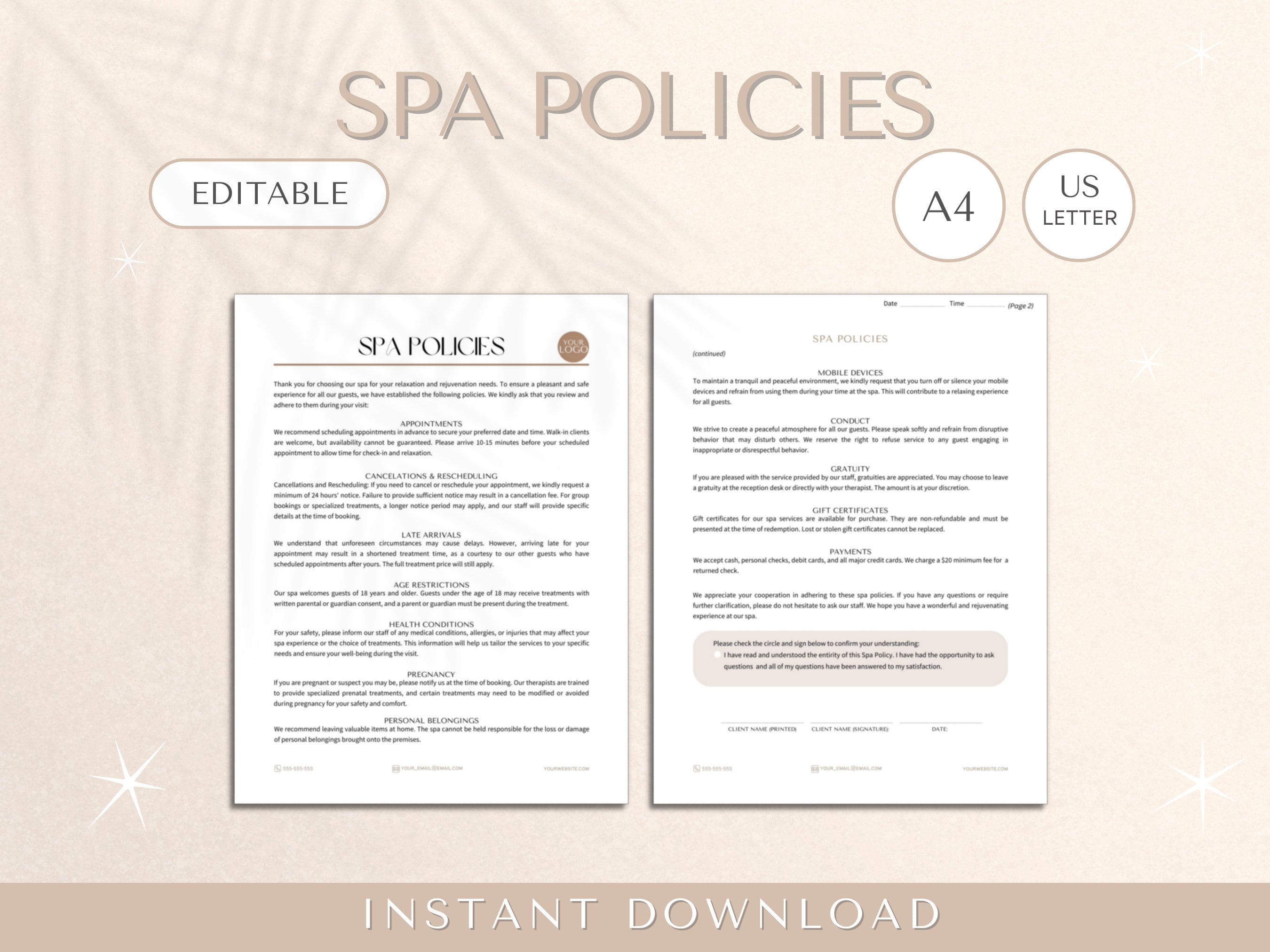
- Notification Procedures: Specify how clients should notify you of cancellations. This could be via email, phone, or a dedicated online form. Clearly outline the timeframe for notification (e.g., 24 hours prior to the session).
- Cancellation Fees: Outline any fees associated with cancellations, if applicable. Be transparent about these fees – they should be clearly stated and justified. Consider offering a tiered approach, such as a reduced fee for cancellations within a certain timeframe.
- Cancellation Policy for Last-Minute Cancellations: Address the situation where a client cancels with very little notice. This is often a delicate situation and requires a flexible approach. Consider offering a partial refund or a credit towards a future session.
- Client Responsibility: Clearly state the client's responsibility for the session. This includes ensuring they are physically capable of attending and that they are not engaging in activities that could compromise their safety.
- Exceptions: Specify any exceptions to the policy, such as unforeseen medical emergencies or significant travel disruptions. Document these exceptions carefully.
- Policy Duration: State the duration of the policy – how long does it remain in effect? (e.g., 7 days, 14 days).
Detailed Section Breakdown – The Core of Your Policy
Let's examine some of the key sections within a comprehensive massage cancellation policy template.
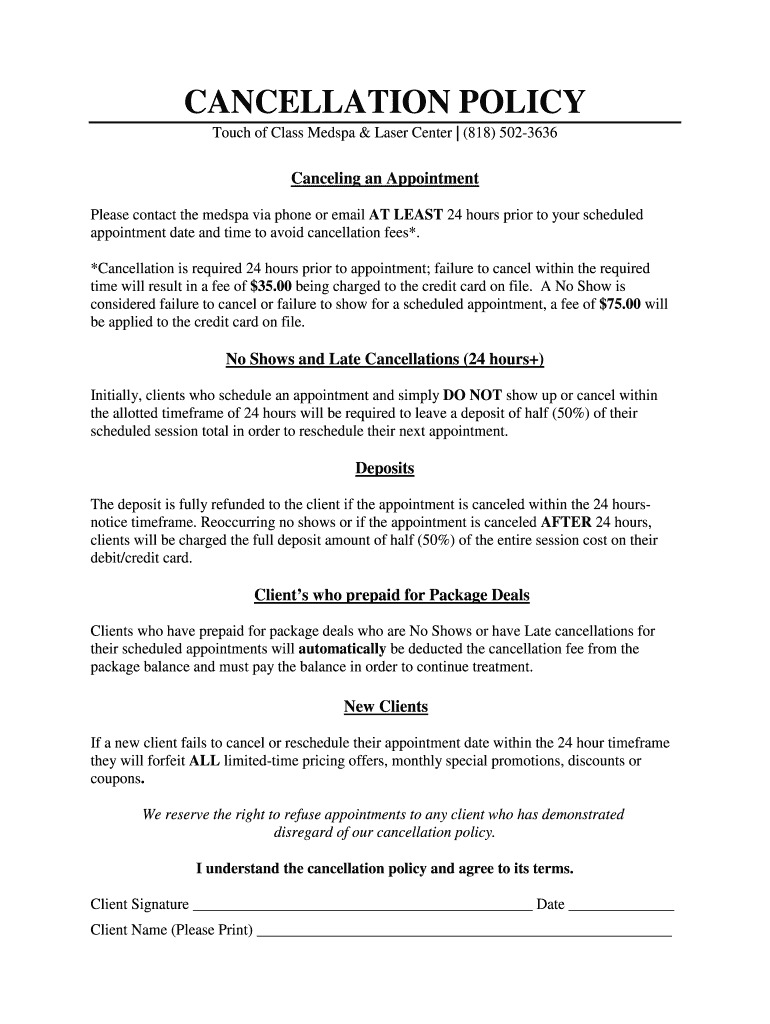
1. Notification Procedures – Staying Connected
Effective communication is paramount. The policy should detail the preferred methods for clients to notify you of cancellations. Email is generally the most convenient option, allowing for a written record of the notification. However, phone calls can be useful for urgent situations. A dedicated online form, accessible through your website, can streamline the process and ensure all notifications are captured accurately. It's crucial to clearly state the expected response time for notifications – 24 hours is a reasonable timeframe for most businesses. Failure to promptly acknowledge a cancellation notification can be interpreted as a lack of respect for your client's time.

2. Cancellation Fees – Fair and Transparent
Determining appropriate cancellation fees is a balancing act. Too low, and you risk losing revenue. Too high, and you may deter clients. Consider factors such as the length of the session, the type of massage, and the client's history with your business. A tiered approach – offering a reduced fee for cancellations within a specific timeframe (e.g., 24 hours) – can be a reasonable compromise. It's vital to clearly communicate the cancellation fee policy to clients upfront, so they understand the potential costs involved. A written statement outlining the fee structure is highly recommended.
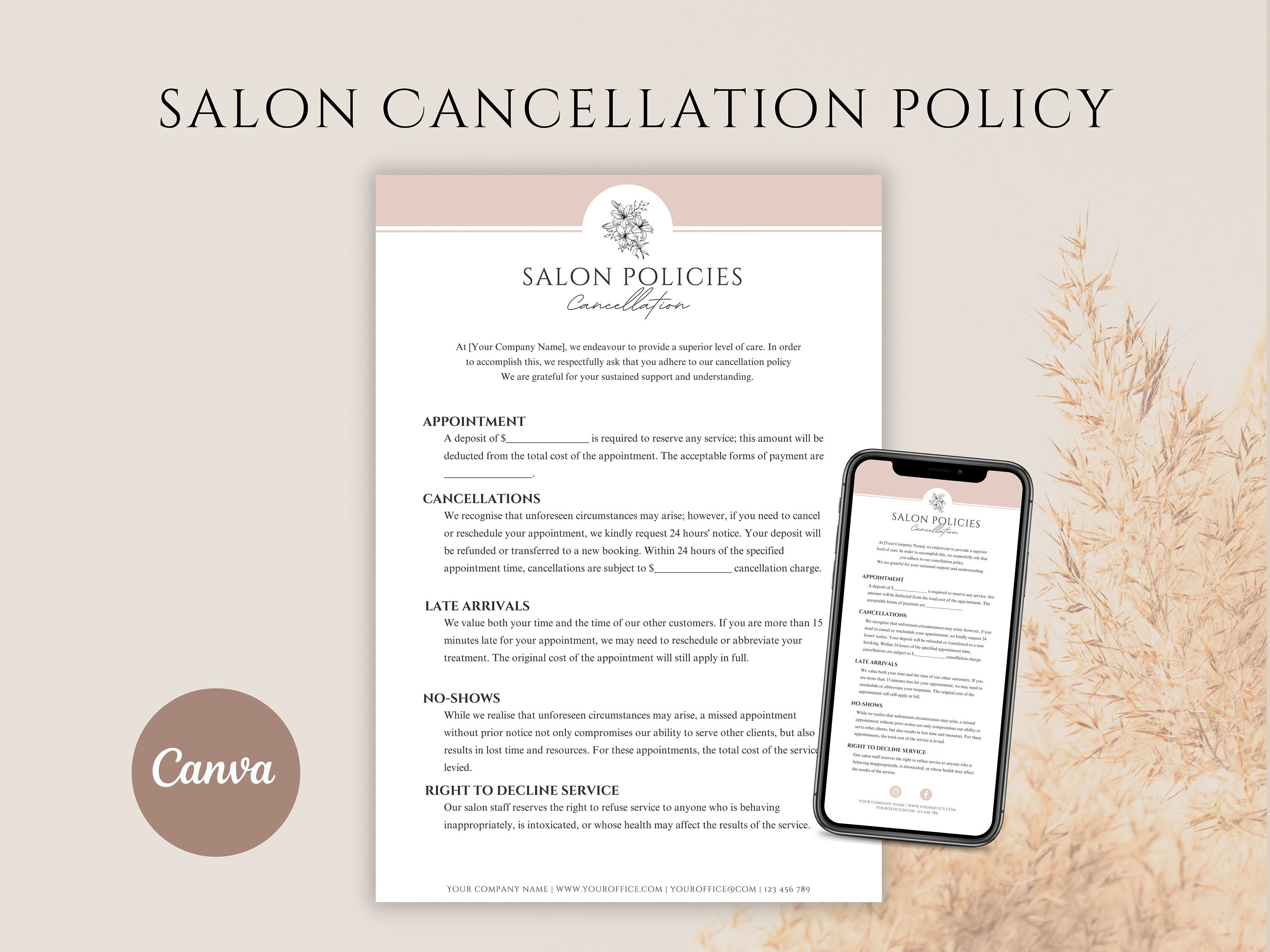
3. Cancellation Policy for Last-Minute Cancellations – Flexibility is Key
This section addresses the challenging situation of clients cancelling with very little notice. A compassionate and flexible approach is often the best strategy. Offering a partial refund or a credit towards a future session demonstrates a commitment to client satisfaction. However, it's important to establish clear guidelines for this approach. For example, you might offer a 50% refund if the cancellation occurs within 24 hours, or a 25% refund if it occurs within 48 hours. Document all instances of last-minute cancellations and the corresponding actions taken. Transparency and a willingness to accommodate clients, while still protecting your business, are essential.
4. Client Responsibility – Setting Expectations
Clearly outlining the client's responsibility is crucial. This section should address issues such as ensuring they are physically capable of attending the session, avoiding activities that could compromise their safety, and notifying you of any medical conditions that may affect their ability to participate. It's important to emphasize that you are not responsible for any injuries or complications that arise from the client's actions. Providing a client safety disclaimer can be beneficial.
5. Cancellation Policy for Exceptions – Navigating the Unexpected
This section addresses situations where a cancellation is due to an unforeseen circumstance. It's important to define what constitutes an exception and the criteria for granting it. For example, a medical emergency might warrant an exception, while a significant travel disruption might not. Document all exceptions carefully and ensure they are clearly outlined in the policy. It's crucial to maintain a record of all exceptions made, along with the rationale behind them.
6. Policy Duration – Maintaining Consistency
The policy should clearly state the duration of the cancellation policy. A typical duration is 7 days, but this can be adjusted based on your business needs. It's important to communicate this duration to clients upfront. Regularly reviewing and updating the policy to ensure it remains relevant and effective is also a good practice.
Conclusion – A Solid Foundation for Client Satisfaction
Creating a comprehensive Massage Cancellation Policy Template is a significant step towards building a sustainable and client-focused business. By proactively addressing potential issues and communicating clearly with your clients, you can minimize disruptions, maintain positive relationships, and protect your revenue. Remember that a well-defined policy isn't just about avoiding disputes; it's about demonstrating professionalism, transparency, and a genuine commitment to your clients' well-being. Investing the time and effort to develop a robust policy will undoubtedly pay dividends in the long run. Ultimately, a flexible and understanding approach, coupled with a clearly communicated policy, fosters trust and strengthens the bond between your business and your clientele. Continuous monitoring and review of your policy are also vital to ensure it remains relevant and effective in a constantly evolving market.
0 Response to "Massage Cancellation Policy Template"
Post a Comment