
The process of monitoring and evaluation (M&E) is increasingly vital for organizations across diverse sectors – from non-profits and government agencies to businesses and educational institutions. It's not simply about reporting numbers; it's about understanding why things are happening, identifying areas for improvement, and ensuring resources are being used effectively. A robust M&E system provides data-driven insights, enabling informed decision-making and ultimately, achieving desired outcomes. This article will delve into the creation and utilization of a comprehensive Monitoring and Evaluation Report Template, equipping you with the tools to effectively track progress, assess impact, and refine your strategies. Monitoring And Evaluation Report Template is the cornerstone of this process, providing a structured framework for collecting, analyzing, and reporting on key performance indicators (KPIs). Without a well-defined template, organizations risk losing sight of their goals and failing to demonstrate accountability. This guide will explore the essential components of a successful M&E report, offering practical advice and best practices.
Understanding the Importance of M&E
Effective monitoring and evaluation are no longer optional; they are fundamental to organizational success. The benefits are numerous and far-reaching. Firstly, they allow organizations to objectively assess the impact of their programs and initiatives. By tracking key metrics, you can determine whether activities are achieving their intended goals and, crucially, whether they are delivering the expected results. Secondly, M&E provides valuable feedback for continuous improvement. Regularly analyzing data allows organizations to identify weaknesses, address challenges, and refine their strategies to maximize effectiveness. Thirdly, it enhances transparency and accountability. By publicly reporting on performance, organizations demonstrate their commitment to responsible stewardship of resources and build trust with stakeholders. Finally, a strong M&E system can be a competitive advantage, demonstrating a commitment to data-driven decision-making and operational excellence. The ability to demonstrate impact and justify investments is increasingly crucial in today's world.
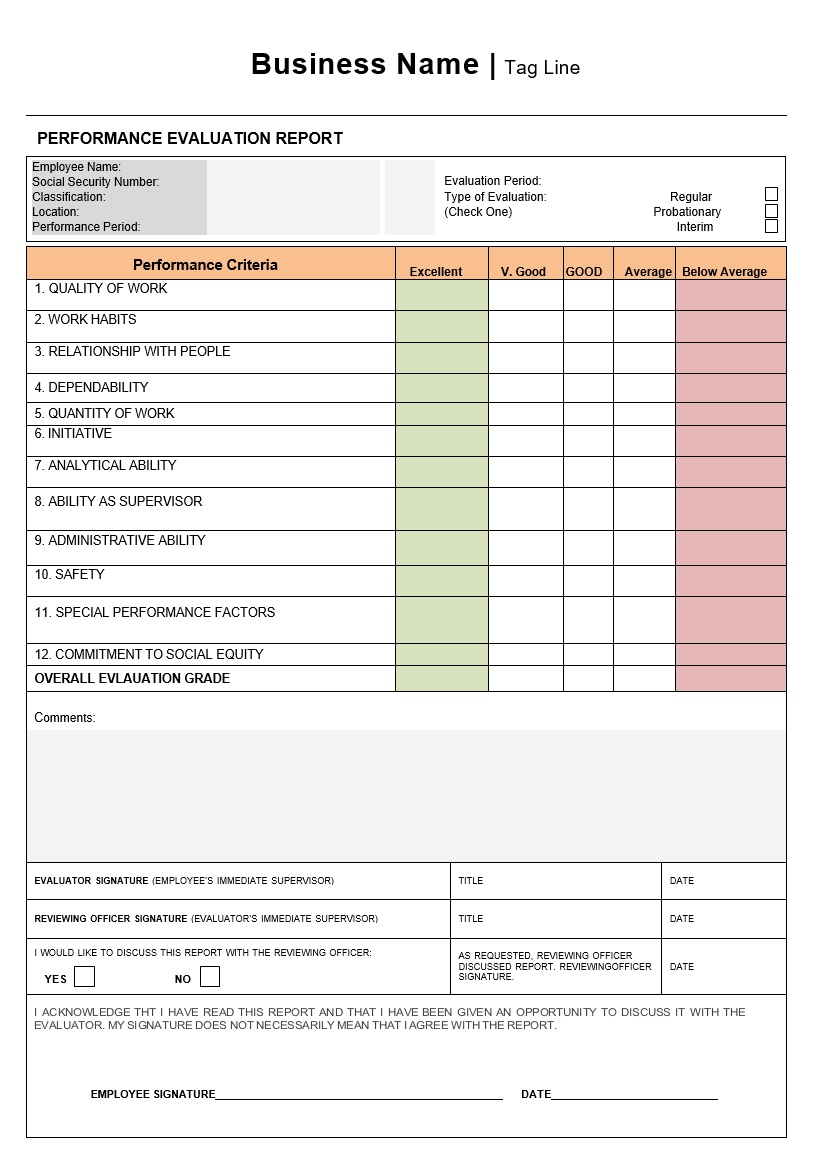
The Core Components of a Monitoring and Evaluation Report Template
A well-structured Monitoring and Evaluation Report Template provides a consistent framework for collecting, analyzing, and reporting data. It's a living document that should be regularly updated and adapted to reflect changing circumstances. Here's a breakdown of the key sections typically included:

- Executive Summary: This is a concise overview of the entire report, highlighting key findings, recommendations, and overall assessment. It's crucial to capture the essence of the M&E process in a few compelling sentences.
- Introduction & Background: This section provides context for the project or program being evaluated. It should include a description of the objectives, the intervention being implemented, and the rationale for the evaluation. It's important to clearly state the purpose of the report and the scope of the evaluation.
- Methodology: This section details how the data was collected and analyzed. It should include information about the research design, sampling methods, data sources, and data collection tools. A clear methodology section demonstrates rigor and credibility.
- Data Collection: This section describes the specific data collected, including the types of data, the frequency of collection, and the methods used to obtain the data. It's vital to document the process thoroughly.
- Data Analysis: This section presents the results of the data analysis. It should include descriptive statistics, trends, and comparisons. Appropriate analytical techniques (e.g., statistical analysis, qualitative coding) should be clearly described.
- Findings & Observations: This is the core of the report, presenting the key findings based on the data analysis. Use clear and concise language to describe the results. Organize findings logically, often grouping them by theme or category.
- Conclusions & Recommendations: This section summarizes the key findings and draws conclusions about the program's effectiveness. It should provide specific, actionable recommendations for improvement. These recommendations should be realistic and tied to the findings.
- Appendices: This section includes supplementary materials such as raw data, survey instruments, interview transcripts, and detailed statistical tables.
Monitoring and Evaluation Indicators – Key Metrics for Success
The success of any M&E program hinges on the selection and tracking of appropriate indicators. These indicators are measurable values that provide insights into progress towards achieving objectives. Here are some examples of indicators that are commonly used in M&E reports:

- Reach: The number of individuals or units reached by the program.
- Participation Rate: The percentage of target beneficiaries who actively participate in the program.
- Attendance Rate: The percentage of scheduled events or activities that participants attend.
- Completion Rate: The percentage of tasks or activities that are completed successfully.
- Cost per beneficiary: A measure of the efficiency of resource allocation.
- Client Satisfaction: A measure of the satisfaction levels of beneficiaries.
- Program Efficiency: A measure of how effectively resources are utilized.
It's crucial to select indicators that are relevant to the program's objectives and that can be reliably measured. Regularly reviewing and updating indicators is essential to ensure they remain relevant and effective.

The Role of Technology in Monitoring and Evaluation
Technology has revolutionized M&E, making it more efficient, scalable, and accessible. Various tools and platforms are available to streamline the data collection, analysis, and reporting processes. Examples include:

- Survey Software: Platforms like SurveyMonkey and Qualtrics allow for the creation and distribution of surveys.
- Data Visualization Tools: Tools like Tableau and Power BI enable the creation of interactive dashboards and charts.
- Spreadsheet Software: Microsoft Excel and Google Sheets are still valuable for basic data analysis and reporting.
- Mobile Data Collection Apps: Mobile apps can be used to collect data from beneficiaries in the field.
- Database Management Systems: Systems like Access and SQL Server are used to store and manage large datasets.
However, it's important to note that technology is just a tool; it's the quality of the data and the expertise of the analysts that truly drive the effectiveness of the M&E process.
Challenges and Best Practices for Effective M&E
Despite the benefits of M&E, organizations often face challenges in implementing and maintaining a robust system. Some common challenges include:
- Data Quality: Ensuring the accuracy and reliability of data is a major challenge.
- Resource Constraints: Limited budgets and staff time can hinder M&E efforts.
- Lack of Capacity: Insufficient expertise in data analysis and reporting.
- Political Interference: Pressure from stakeholders can compromise the objectivity of the evaluation.
To overcome these challenges, organizations should adopt best practices such as:
- Clearly Defined Objectives: Ensure that the M&E framework is aligned with the program's objectives.
- Stakeholder Involvement: Engage stakeholders in the design and implementation of the M&E system.
- Training and Capacity Building: Invest in training for staff on data collection, analysis, and reporting.
- Regular Monitoring and Evaluation: Conduct regular monitoring and evaluation to identify problems and make adjustments.
- Data Security and Privacy: Implement appropriate measures to protect the confidentiality and security of data.
Conclusion – The Power of Data-Driven Decision Making
Monitoring and Evaluation Report Template is more than just a document; it's a strategic tool that empowers organizations to understand their impact, improve their performance, and achieve their goals. By embracing a robust M&E system, organizations can move beyond simply tracking activities and begin to understand why they are happening and what to do about it. The ability to demonstrate impact, justify investments, and continuously improve is increasingly critical for long-term success. Ultimately, effective M&E contributes to a more accountable, transparent, and effective approach to development and service delivery. Monitoring And Evaluation Report Template is a vital component of this journey, enabling organizations to harness the power of data to drive positive change.
0 Response to "Monitoring And Evaluation Report Template"
Post a Comment