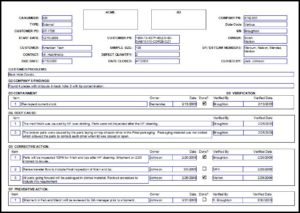
The world of business relies heavily on data – and the ability to effectively communicate that data is crucial for informed decision-making. That's why the 8d Report Template Xls has become an indispensable tool for organizations seeking to present their findings in a clear, concise, and visually appealing manner. This guide will delve into the features, benefits, and best practices for utilizing this powerful template to create impactful reports. Understanding the 8d Report Template Xls is no longer just about using it; it's about leveraging it to drive strategic insights and improve communication across your organization. Let's explore how this template can transform your reporting process.
The 8d Report Template Xls is a standardized, multi-page report structure designed to streamline the creation of comprehensive reports. It's built around a core framework, ensuring consistency and facilitating a logical flow of information. Its flexibility allows for customization to suit a wide range of reporting needs, from simple performance summaries to detailed strategic analyses. The template's strength lies in its ability to organize data into distinct sections, making it easier for readers to quickly grasp the key takeaways. It's a significant investment in time and resources, but the return on investment – in terms of improved reporting efficiency and data-driven decision-making – is substantial. Ultimately, the 8d Report Template Xls empowers organizations to move beyond simply collecting data and into actively interpreting and utilizing it.
Understanding the Core Components of the 8d Report Template Xls
At the heart of the 8d Report Template Xls lies a structured approach. Each section is designed to address a specific aspect of the data being presented. Let's break down the key components:

1. Executive Summary
The Executive Summary is arguably the most crucial section of the report. It's a concise overview of the entire report, highlighting the key findings, conclusions, and recommendations. It's typically written last, after all other sections have been completed, ensuring a clear and immediate understanding of the report's overall message. A strong Executive Summary should be no more than 1-2 pages long and should be easily digestible for busy executives. It's designed to capture their attention and motivate them to delve deeper into the report. The primary focus of this section is to clearly communicate the report's core message.
2. Background & Context
This section provides the necessary context for understanding the data presented. It explains the situation that led to the report's creation, outlining the key challenges, opportunities, and trends. It's important to establish a clear understanding of the problem or opportunity being addressed. This section helps readers appreciate the significance of the data and avoid misinterpretations. Providing relevant background information is vital for ensuring the report's credibility and relevance.
3. Methodology
A thorough explanation of the methodology used to collect and analyze the data is essential for transparency and trust. This section details the data sources, analytical techniques, and any limitations of the methodology. It demonstrates that the report is based on sound research and analysis. Clearly outlining the methodology allows readers to assess the reliability and validity of the findings. This section is critical for demonstrating the rigor of the reporting process.
4. Key Findings
This section presents the core findings of the analysis. It's organized around specific objectives or questions that the report aims to answer. Each finding should be supported by data and evidence. Using clear and concise language, the findings should be presented in a logical and easily understandable manner. Visualizations, such as charts and graphs, are often used to illustrate key findings. The quality of these findings directly impacts the report's overall effectiveness.
5. Analysis & Interpretation
This section delves deeper into the analysis of the key findings. It explains why the findings are significant and how they relate to the background context. It goes beyond simply stating the findings and provides insights into their implications. This section requires critical thinking and the ability to draw meaningful conclusions. It's where you translate raw data into actionable intelligence.
6. Recommendations
Based on the analysis, the report should offer clear and actionable recommendations. These recommendations should be specific, measurable, achievable, relevant, and time-bound (SMART). They should outline the steps that should be taken to address the identified challenges or capitalize on the identified opportunities. A well-defined set of recommendations demonstrates a clear understanding of the problem and a proactive approach to finding solutions. The recommendations section is the most impactful part of the report – they drive action.
7. Appendix (Optional)
The Appendix can include supplementary materials such as raw data, detailed methodology notes, or supporting documentation. It's useful for providing additional context or detail that is not essential to the main body of the report. However, it should be clearly labeled and referenced within the main body of the report.
Benefits of Utilizing the 8d Report Template Xls
Implementing the 8d Report Template Xls offers a multitude of benefits for organizations. It's not just about creating a pretty report; it's about improving efficiency, enhancing communication, and driving better decision-making. Here's a closer look at some key advantages:
- Improved Efficiency: The standardized structure streamlines the report creation process, saving time and resources.
- Enhanced Communication: The clear and concise format facilitates communication across different departments and stakeholders.
- Increased Transparency: The detailed methodology section promotes transparency and builds trust.
- Data-Driven Decision-Making: The focus on key findings and recommendations empowers organizations to make informed decisions.
- Better Reporting Consistency: The template ensures consistency in reporting across different teams and departments.
- Improved Data Visualization: The template encourages the use of charts and graphs to effectively communicate data.
Conclusion: The Power of Strategic Reporting
The 8d Report Template Xls is a powerful tool for organizations seeking to improve their reporting capabilities. Its structured approach, combined with its flexibility, makes it an invaluable asset for a wide range of reporting needs. By investing in this template, organizations can transform their reporting processes, gain a deeper understanding of their data, and ultimately, drive better business outcomes. The key to success lies in understanding the template's core components and utilizing it effectively to deliver clear, concise, and impactful reports. As data continues to grow in volume and complexity, the 8d Report Template Xls will remain a critical component of any organization's reporting strategy. Don't underestimate the long-term benefits of a well-executed reporting system – it's an investment in your organization's future.
0 Response to "8d Report Template Xls"
Post a Comment